
Buying Furniture for Your Parents' Home: A Thoughtful Guide
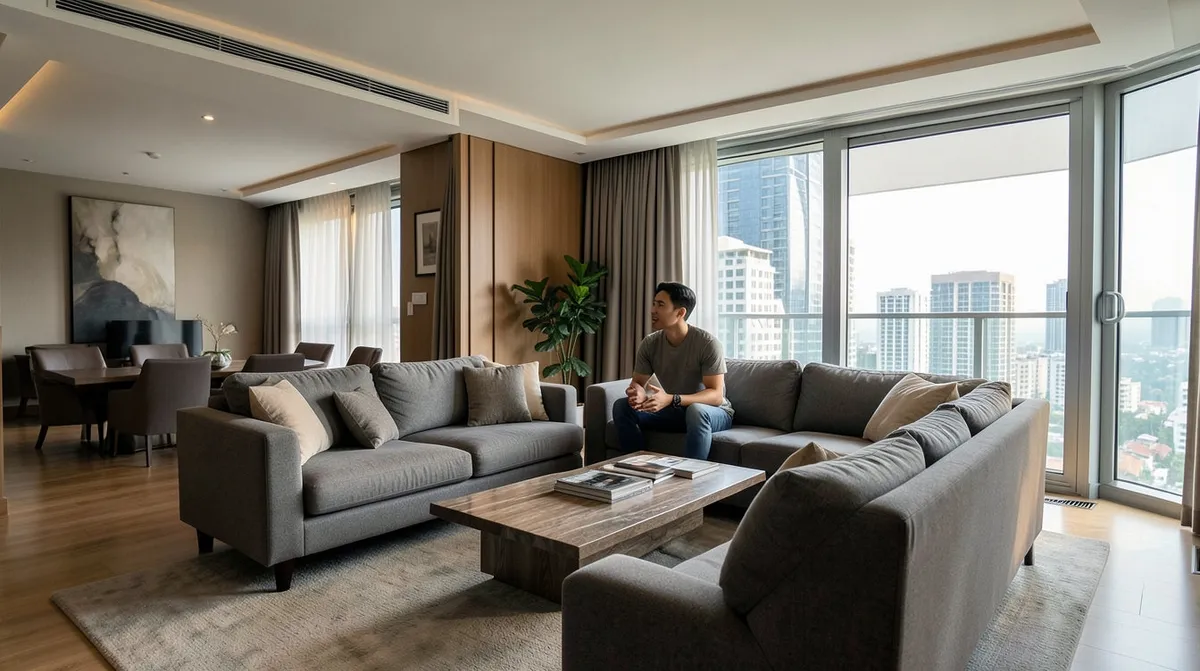
Furniture That Respects How Your Parents Actually Move
Furnishing a home for ageing parents isn't quite the same task as furnishing your own place. The real question isn't whether a piece looks good in the room, it's whether Mum can get up from that chair without grabbing onto something, or whether Dad's toes will catch that corner on his way to the bathroom at night. Style still matters, just less than safety and ease of use do.
Seating: Height and Support Over Style
Low, deep sofas look inviting in a showroom, but they're genuinely hard on older knees and hips to get up from. Aim for a seat height around 45 to 48cm, firmer cushioning instead of soft sink-in foam, and sturdy armrests on both sides that can actually bear weight when pushing up to stand. A slightly higher-backed armchair near the dining area or TV often gets far more use from elderly parents than an extra sofa seat that just sits empty.
Choosing Safer Materials for a Singapore Home
Singapore's humidity already shapes most material choices, and for elderly parents there's another layer on top of that: how easy something is to clean and to grip. A few things worth considering:
- Fabric with a tight weave: wipes clean faster than a loosely woven texture, and traps less dust that could set off coughing.
- Rounded table edges: a knock against a sharp corner is a genuine fall risk for anyone less steady on their feet.
- No loose rugs on hard flooring: they're one of the most common causes of falls at home, especially on tiled or laminate floors.
- Matte rather than high-gloss surfaces: glare off polished furniture can throw off older eyes, especially at night.
Bedroom Setup for Comfort and Safety
The bed is usually the one purchase that matters most. A height that lines up roughly with the back of the knee when standing makes getting in and out far easier than a low platform bed ever will. Leave generous clearance on at least one side, 70 to 80cm, for a walking aid or wheelchair down the line, even if nobody needs one today.
Bedside tables should sit at a height your parent can reach without leaning far, and a lamp with a simple, large switch will always beat a touch-sensitive or app-controlled one that's fiddly to operate half-asleep.
Storage That Doesn't Require Bending or Reaching
Wardrobes with mid-height rails and drawers, rather than deep floor cabinets, cut down on the daily bending and overhead reaching. Save the high shelves for things rarely used, and keep everyday clothes within easy reach.
Small Details That Make a Big Difference
A few small additions go a long way here. A stable stool or bench near the entrance lets parents sit while putting on shoes. Grip-friendly drawer handles beat flush knobs. And leaving enough space between furniture, generally at least 90cm of clear walkway, means a walking frame can pass through without a squeeze.
Visit Before You Decide
No catalogue photo can tell you whether a chair is easy to rise from, or whether a table edge is a touch too sharp. Bring your parents to the showroom if you can, and let them sit, stand, and try the pieces themselves. Their comfort is the only measure that really counts. At Nova Furnishing, our consultants are glad to walk through these considerations with you and point out pieces suited to different mobility needs.
If visiting together isn't practical, come by on your own with photos of the room and a list of your parents' specific needs, or message our team and we'll help you shortlist a few options before you commit to anything.
Related Articles
We Asked Our Showroom Team: What Surprises Customers Most About Furniture Shopping?
We asked our own showroom team what catches customers off guard the most, from how much bigger furniture looks at home to how fabric behaves once Singapore's humidity gets to it.
14 April 2026 · 3 min read
What Your Furniture Delivery Team Wishes You Knew Before Delivery Day
The small things delivery teams wish every customer had sorted out beforehand, from lift bookings to a clear corridor, so delivery day doesn't turn into a long one.
14 April 2026 · 3 min read
The One Furniture Piece Most Singapore Homes Are Missing
One gap keeps showing up in home after home across Singapore, and an entryway bench is often the simplest way to close it.
13 April 2026 · 4 min read
We Asked 100 Singaporeans Their Biggest Furniture Regret, Here's What They Said
The furniture regrets we hear again and again from Singapore homeowners, and small things you can check before you buy so you don't end up with the same story.
13 April 2026 · 3 min read