
The Statement Dining Table Trend: Why More Homes Are Investing Here
The Dining Table's New Role
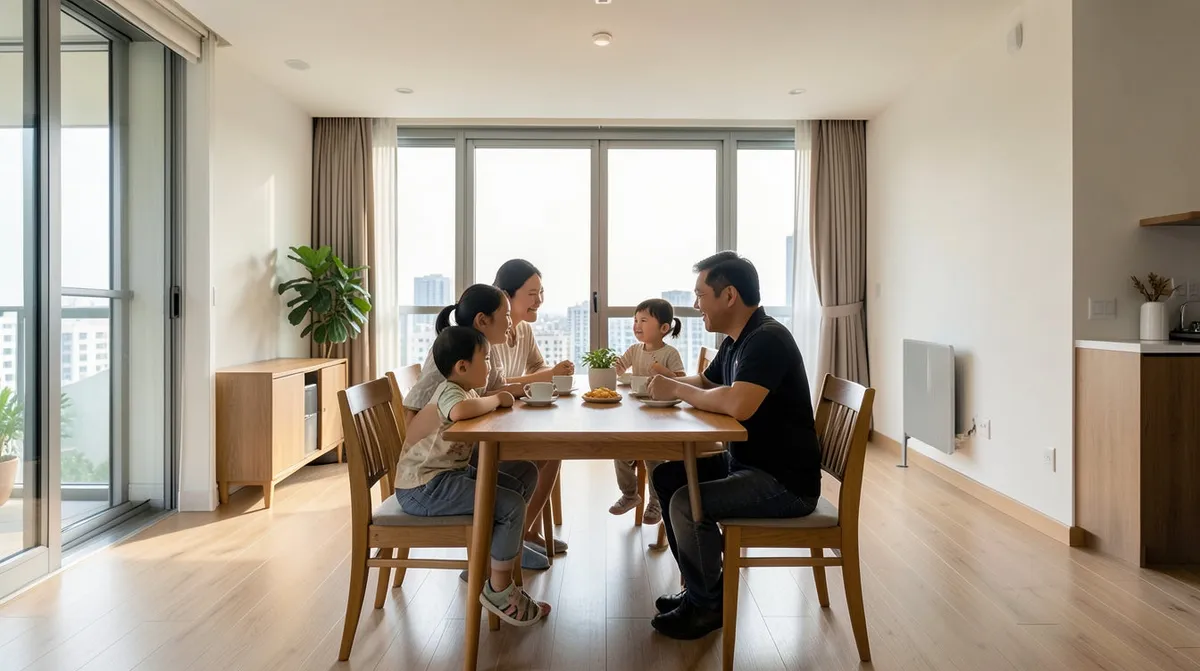
In many Singapore homes, the dining table used to be a functional necessity tucked beside the kitchen. That's changing. With open-concept layouts merging living and dining areas, the dining table is often the first thing you see walking into the home, so homeowners are treating it accordingly and choosing a piece meant to anchor the room rather than simply hold plates.
What's Driving the Shift
- Open-concept living: when the dining area sits visually inside the living room, the table has to hold its own on looks, not just function.
- The table doubling as a workspace: with more people working from home some days, the dining table often becomes a desk too, so its material and surface durability matter more than they used to.
- A stronger hosting culture: festive gatherings for CNY, Hari Raya, and Deepavali, plus more casual entertaining generally, have made a table that can genuinely seat a crowd feel like a worthwhile investment.
What Makes a Table a Genuine Statement
Material and Finish
Solid wood with visible grain, stone-look composite surfaces, and boldly shaped bases tend to read as statement pieces because they carry a visual weight and texture that a plain laminate top just doesn't have. The trade-off is usually maintenance: stone-look and solid wood surfaces need more careful cleaning, and coasters for hot dishes, than a sealed laminate would.
Shape and Proportion
A statement table earns its attention through proportion just as much as material. A generous rectangular or oval table with a striking base, sized correctly for the room, reads as deliberate. An oversized table crammed into a small dining nook reads as a mistake, however striking the design might be on its own.
Getting the Size Right
Allow at least 60cm of table edge per person seated, and keep 80 to 100cm of clearance between the table edge and the nearest wall or furniture so chairs can be pulled out without a fight. For most 4-room BTO dining areas, a table seating four to six hits the right balance between presence and practicality. Going extendable lets you keep the everyday footprint modest while still hosting a full table during festive periods.
Choosing a Base That Suits an Open-Concept Room
Because a statement table is usually visible from the living area, the base matters nearly as much as the tabletop itself. A pedestal or trestle base tends to look cleaner from a distance and avoids the clutter of four separate legs competing visually with nearby sofa legs and side tables. In a narrower dining area, a pedestal base also lets you tuck chairs in fully on both long sides, since there's no corner leg getting in the way.
Building the Rest of the Setting
A statement table needs supporting pieces that don't compete with it. Simpler, quieter dining chairs let the table stay the visual anchor, while a correctly sized pendant light above the table keeps it as the room's focal point after dark too. Pairing a bold table with equally bold chairs tends to backfire, leaving the room feeling busy rather than considered.
Is It Worth the Investment?
A dining table sees more daily use than almost any other piece of furniture in the home, meals, homework, laptops, guests, all pass through it. That level of use is exactly why more homeowners are willing to put in more thought, if not always more money, into getting it right the first time, rather than treating it as an afterthought to replace down the line.
If you're considering a statement table for your dining area, visit a Nova Furnishing showroom to see the scale and finish in person. Proportions are genuinely hard to judge from photos alone.
Related Articles
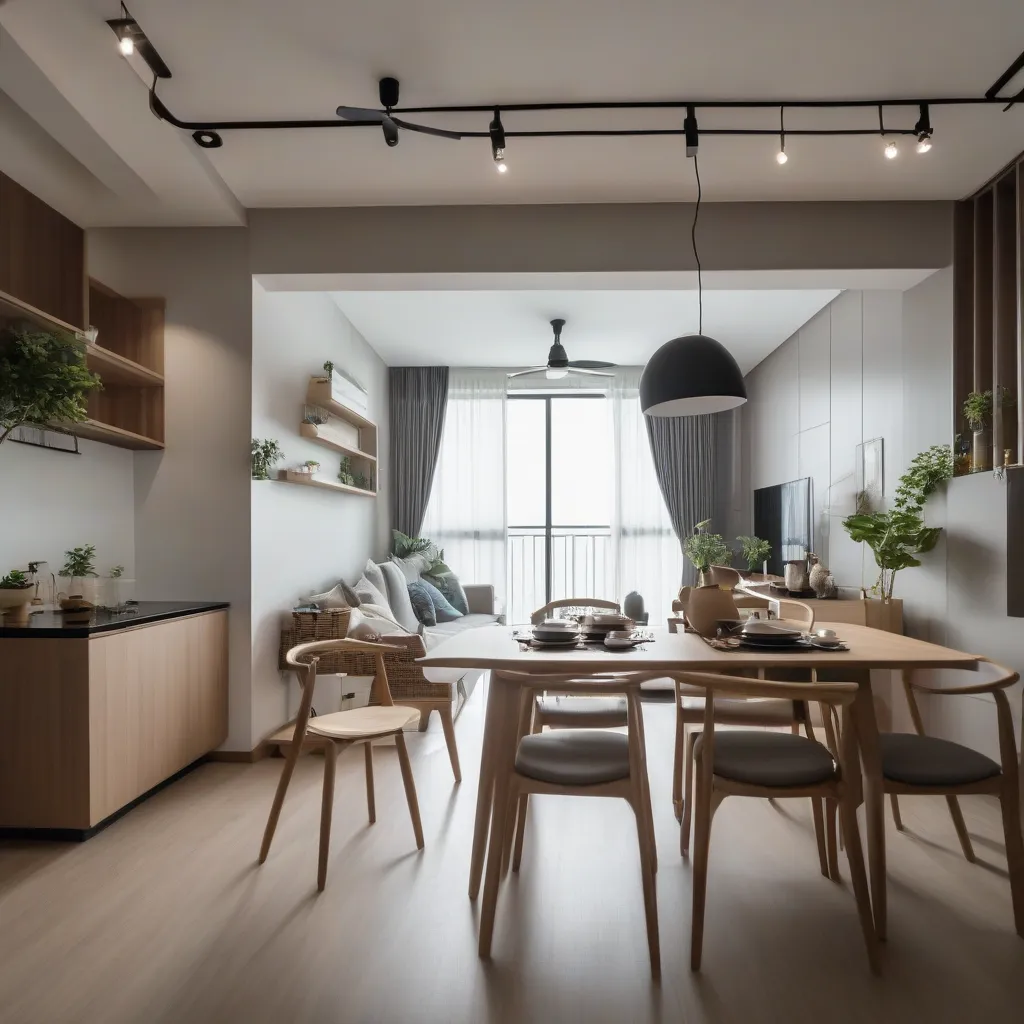
The Nova Furnishing Dining Collection: Tables for Every Singapore Home
A walk through the shapes, sizes, and materials in the Nova Furnishing dining collection, and how to match a table to the way your home is actually laid out.
11 April 2026 · 3 min read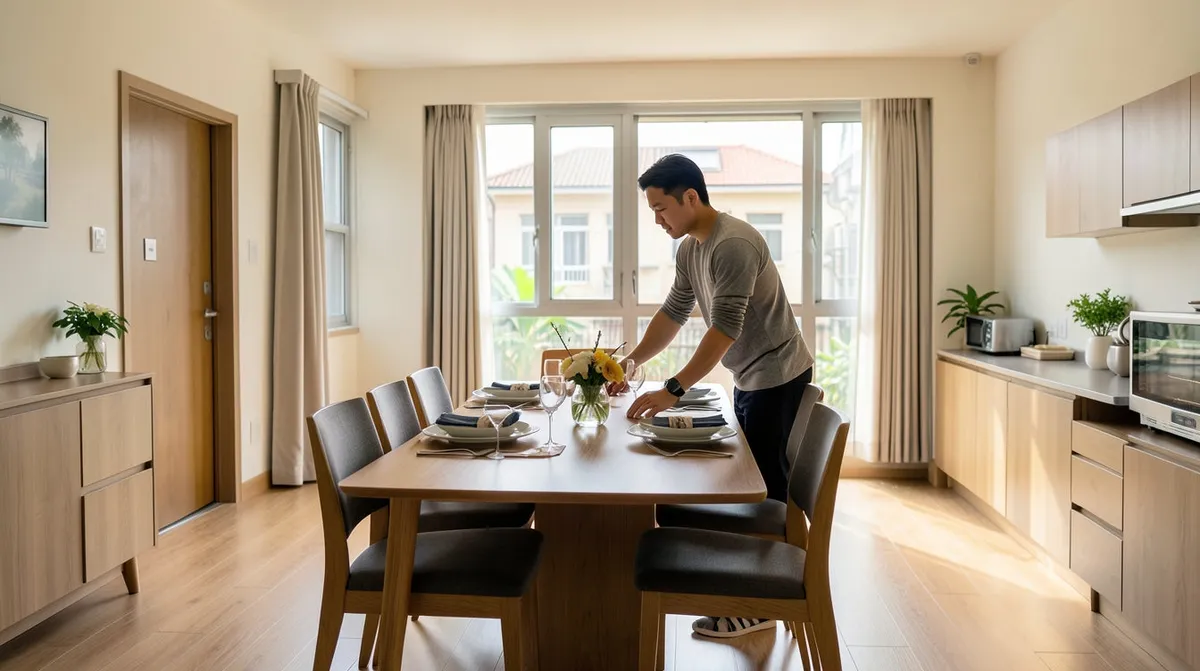
Hosting Raya, CNY and Deepavali: Furniture That Makes Festive Gatherings Better
Once a year your dining table has to work twice as hard. Extendable tables, flexible seating and a good sideboard make hosting Raya, CNY and Deepavali much less stressful.
10 April 2026 · 4 min read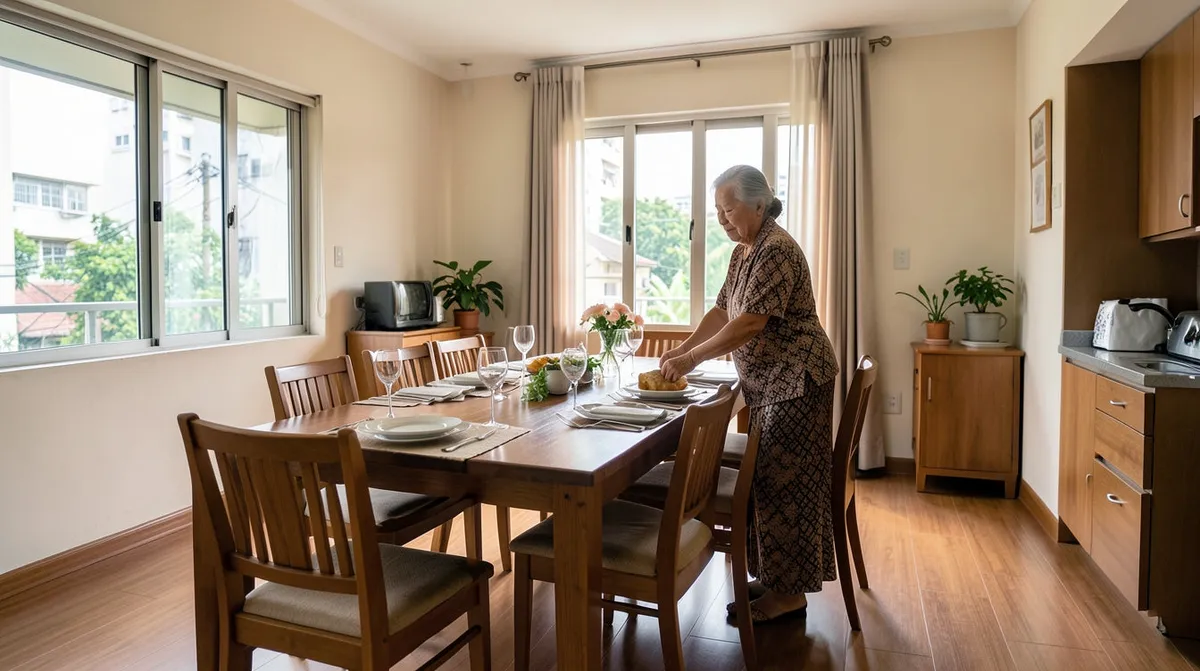
The Underrated Pleasure of a Really Comfortable Dining Area
Real dining comfort comes from chair cushioning, warm lighting, and a bit of breathing room, not just table dimensions. Here's how to get it right at home.
9 April 2026 · 3 min read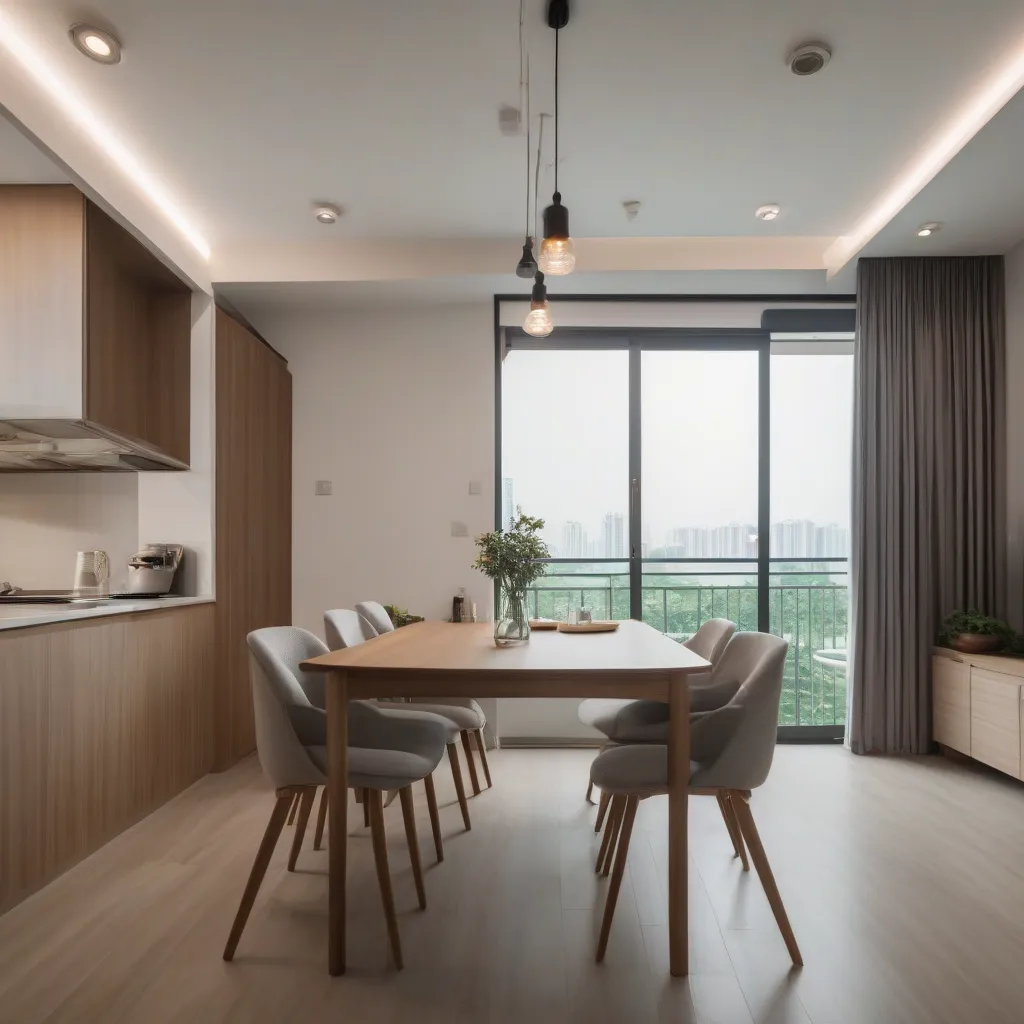
How Open-Concept Kitchens Changed the Way We Choose Dining Furniture
If your kitchen opens straight into the dining area, that table is on show all day, not just at mealtimes. Here's what actually changes about what you should buy.
7 April 2026 · 3 min read