
The Real Cost of Furnishing a 3-Room, 4-Room and 5-Room BTO
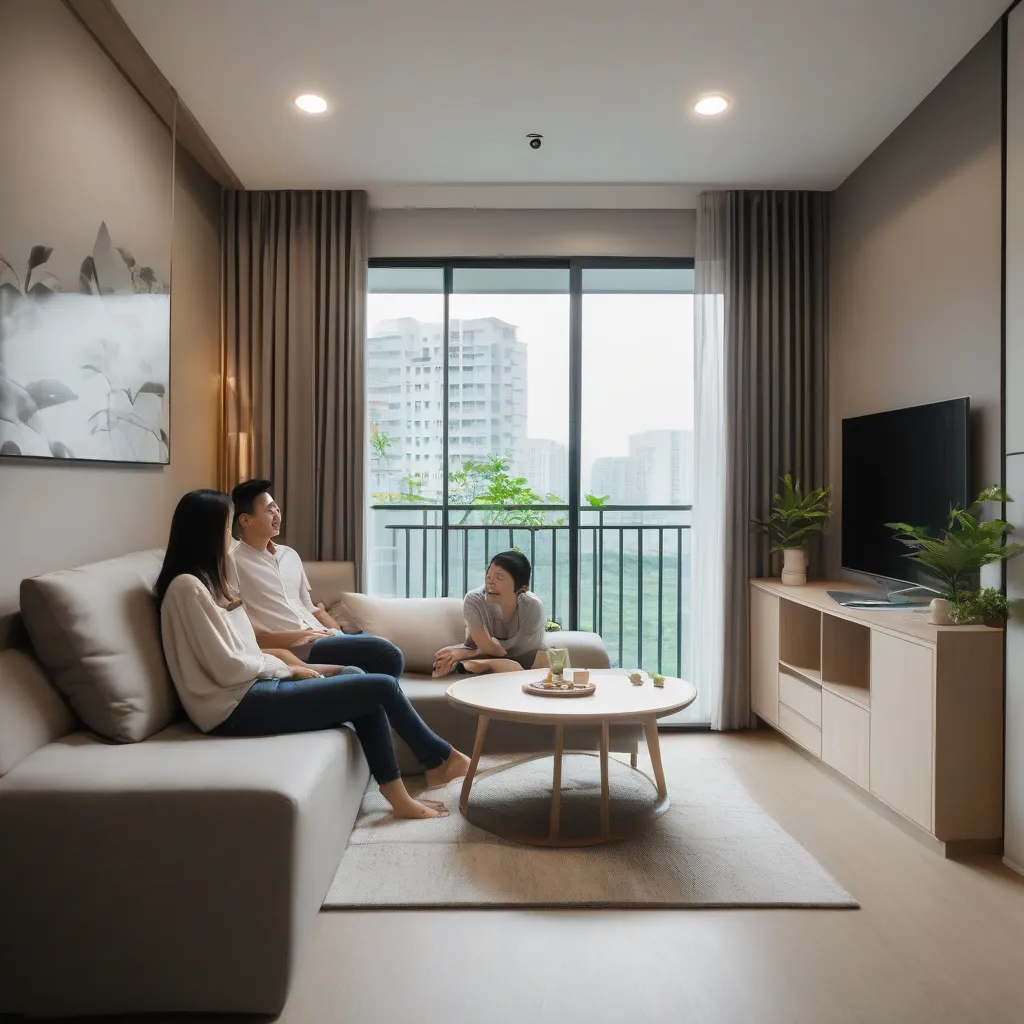
Flat Size Isn't the Whole Story
Every homeowner asks the same question before renovation begins: how much will furnishing actually cost? The honest answer is that flat size alone doesn't decide this. What actually moves the needle is a set of choices made room by room, long before any figure gets fixed. A 3-room, 4-room, and 5-room BTO differ mainly in the number of bedrooms and overall floor area, which means a bigger flat usually costs more to furnish simply because there are more rooms and more pieces to fill them, not because each individual piece suddenly costs more.
What Actually Drives Cost Up or Down
A few factors matter far more than which flat type you have:
- Material and construction quality: solid wood versus engineered board, and the quality of joints and hardware, affects relative spend more than the size of your flat does.
- Customisation versus off-the-shelf: made-to-measure dimensions, additional finishes, or modular configurations such as extendable sofa arms or custom wardrobe interiors add to relative cost regardless of how big or small the unit is.
- How much built-in storage you choose: more integrated storage, whether in a bedframe, wardrobe, or TV console, generally raises spend for that piece.
- Delivery and access complexity: higher floors, narrower lift lobbies, or units with limited loading access don't usually change an item's price, but they're worth factoring into your planning and timeline all the same.
How to Think About Budget Allocation by Room
Rather than dividing your budget evenly, it helps to think about relative priority:
Living room
This space typically deserves the largest relative share of attention, since it's used daily and is what guests see first. The sofa, coffee table, and TV console function as the anchor pieces the rest of the room is built around.
Bedrooms
Bedroom needs scale directly with flat size. A 3-room typically has one main and one smaller bedroom, while a 5-room usually adds a third room. This means a larger share of total spend naturally shifts toward bedframes and wardrobes as flat size increases, simply because there are more bedrooms to furnish.
Dining area
In open-concept BTO layouts, the dining area often shares visual and physical space with the living room, so it can work with a lighter relative budget rather than requiring a separate, heavily furnished zone of its own.
Staging Your Purchases
Furnishing a new flat doesn't have to happen in one lump purchase. It's usually more sensible to secure the move-in essentials first, bed, wardrobe, sofa, dining set, and add secondary pieces such as accent chairs, extra storage, or a study desk over the following months, once you've actually lived in the space long enough to know what it needs.
Why Unit Size Changes the Calculus
A 3-room flat, with fewer bedrooms and less floor area, benefits most from compact, storage-forward, multi-functional furniture, since every piece has less room to spare. A 4-room flat is often the most flexible size, comfortably supporting a combined living and dining zone with room left over for a study corner or nursery. A 5-room flat's higher total spend usually comes down to sheer volume: more rooms simply mean more furniture is needed, not that furnishing it is inherently more expensive per piece.
Getting a Figure That Actually Fits Your Home
Because so much depends on your specific unit, room priorities, and material choices, a generic number rarely reflects what your home will actually need. At Nova Furnishing, we prefer to walk through this with you directly. Bring your floor plan to our showroom or reach out on WhatsApp, and our team can help you plan a sensible, staged approach for your exact flat type.
Related Articles
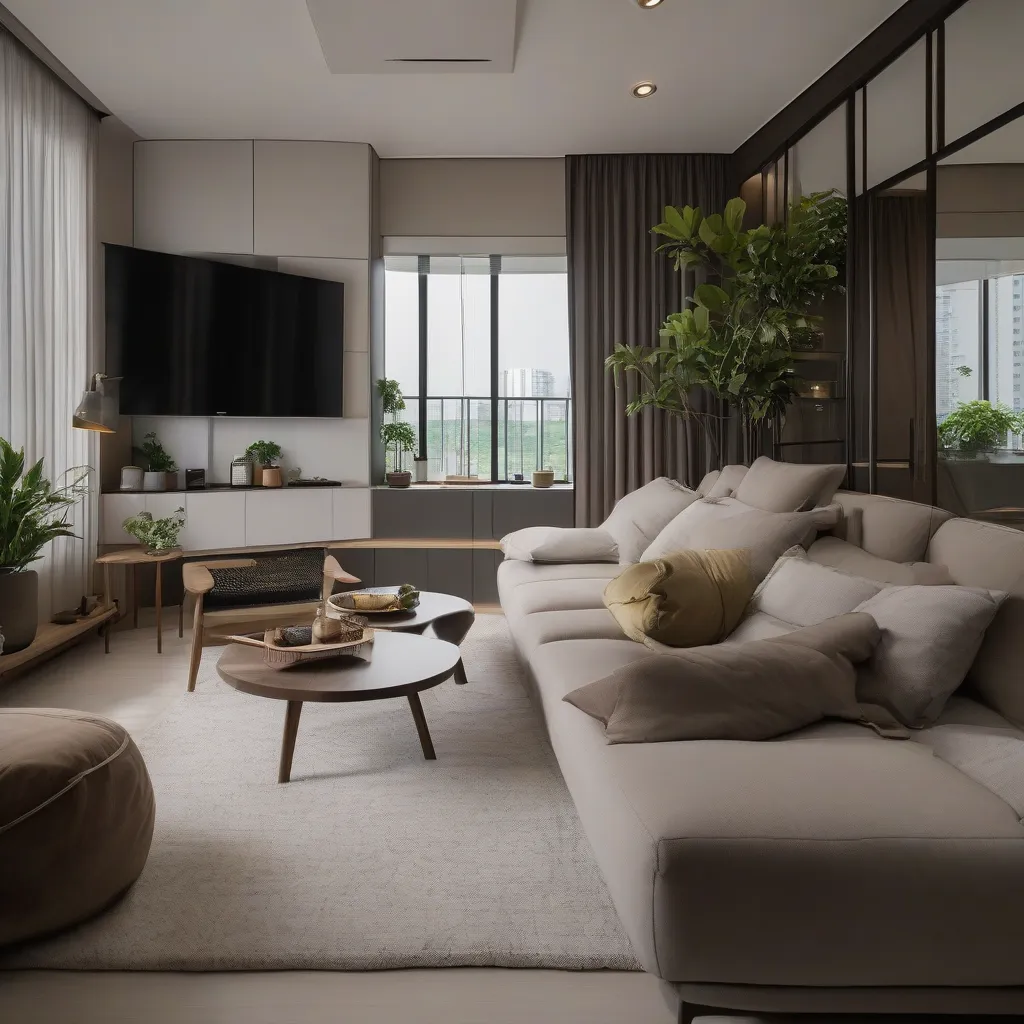
The One Furniture Change That Transformed How This Family Uses Their HDB
One family swapped three separate seats for a single L-shaped sofa with storage, and it changed how the whole living room got used. Here's what actually shifted.
14 April 2026
How to Make Your HDB Bomb Shelter Actually Useful
Every HDB shelter room has the same steel door and the same rules about what you can and can't do to it. Here's how to actually put it to use without running into those restrictions.
1 April 2026
The Hidden Costs of Buying Furniture That's Too Big for Your BTO
An oversized sofa doesn't just look wrong in a BTO. It creates real costs down the line, from blocked airflow to delivery headaches. Here's what to watch for.
1 April 2026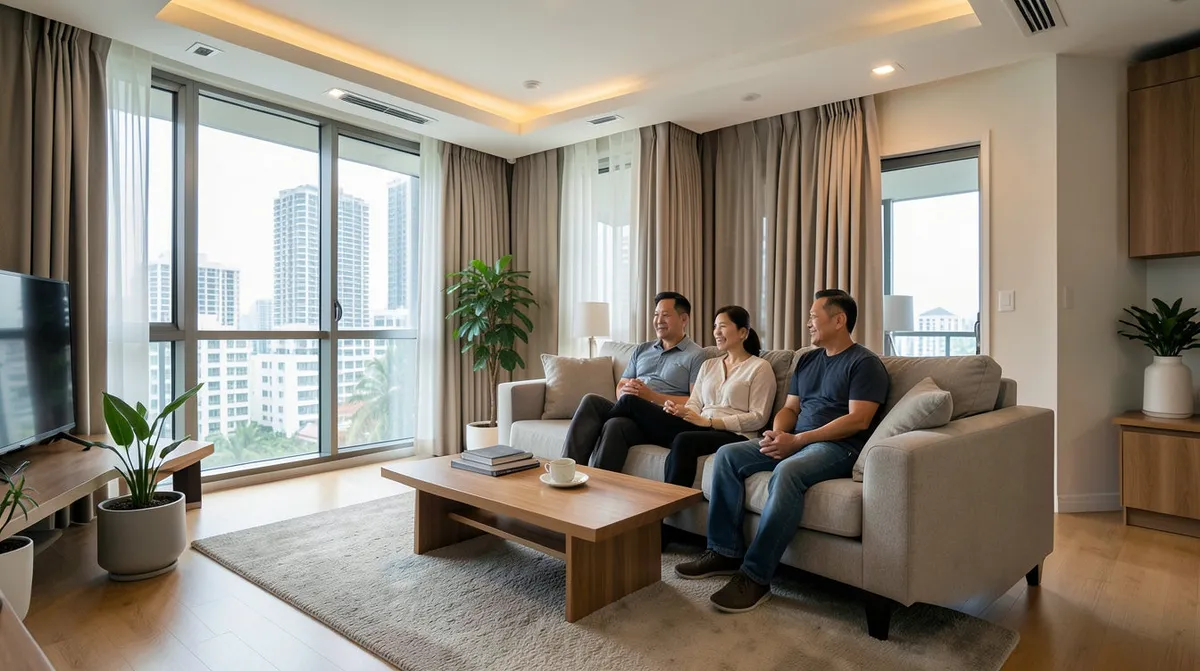
Zoning a Studio or 2-Room HDB Using Furniture as Dividers
How to zone a studio or 2-room HDB flat with shelving, sofa placement, and a tall bed headboard, without blocking light or airflow.
1 April 2026