
The Difference Between a House and a Home, And Why Furniture Matters
A Structure Becomes a Home Through Use
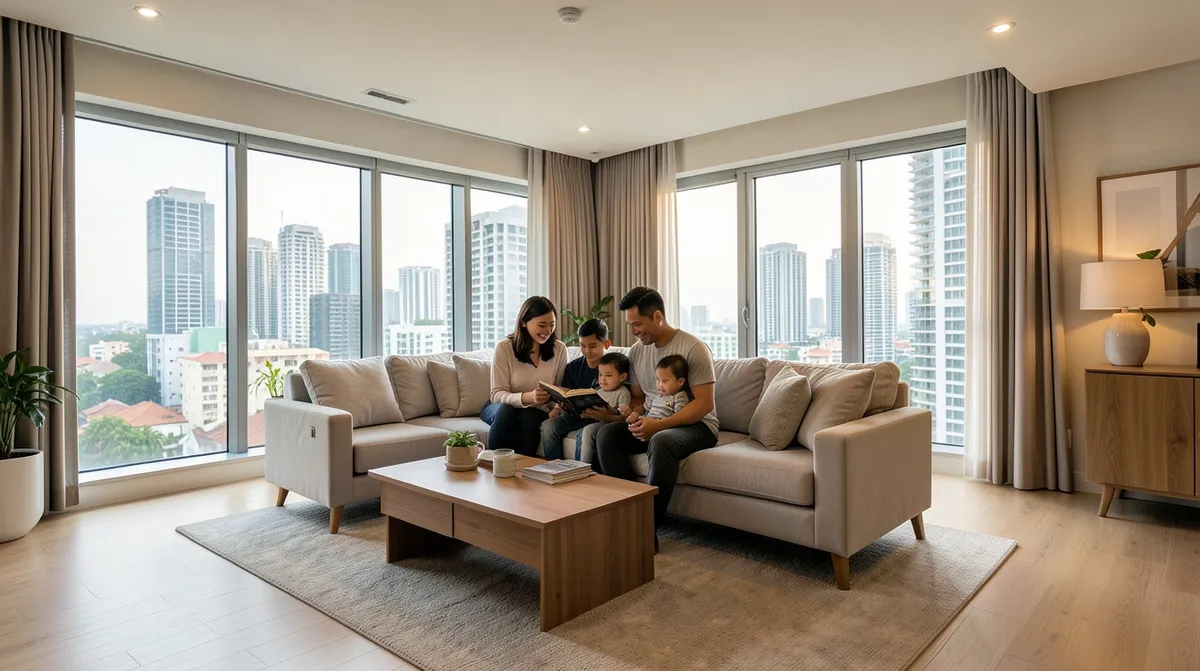
Walk into a freshly handed over BTO flat, then walk into that same flat a year later, and the difference is rarely the walls or the flooring. It's the small evidence of daily life: a well worn armchair angled toward the window, a dining table carrying the scratches of a thousand meals, a shelf arranged by someone who actually reaches for those books. A house is a fixed structure. A home is what happens after people start living in it.
Furniture Is Where That Difference Shows First
Long before wall colours or renovation choices come into it, furniture is the layer of a home that gets touched, sat on, and lived with every single day. It's also the first thing that can make a brand new flat feel either sterile or lived in.
Choosing for How You Actually Live
It's easy to furnish a home for how it looks in a photo rather than how it will actually be used. A pristine white sofa photographs beautifully but may not survive a household with young children or pets. A dining table sized for a showroom display can crowd a real BTO dining corner. The furniture that turns a house into a home gets chosen with daily habits in mind: where you actually eat, where you actually relax, and how many people are usually in the room.
Comfort That Rewards Repetition
A house has furniture in it. A home has furniture you reach for without thinking, the chair you sit in every evening, the sofa corner that's become someone's spot. That kind of comfort isn't really about style at all. It comes from proportions and materials that hold up to being used constantly, not just occasionally admired.
Personal Touches, Not Just Purchases
A home also carries the marks of the people in it: the mismatched mug on the side table, the blanket that lives permanently on the armrest, the shelf of things that mean something only to that family. Furniture provides the frame for that. It should have enough restraint in its design to let the people using it show through, rather than competing with them.
Furniture That Grows With Life Stages
Houses stay the same size, but the lives inside them change. A couple becomes a family, children grow, parents move in. Furniture that can adapt, whether through modular seating, extendable tables, or flexible storage, tends to age with a household instead of needing to be replaced at every stage.
Texture and Sensory Comfort
A house registers through the eyes. A home registers through touch just as much as sight. The weave of a fabric under bare feet, the warmth of solid wood under a hand resting on a table, the give of a well filled cushion at the end of a long day, these sensory details rarely show up in a listing photo, yet they're often what people mean when they describe a space as feeling like home rather than simply looking finished. Choosing at least a few pieces for how they feel to touch, instead of just how they photograph, tends to pay off far more than it seems to at the point of purchase.
Making the Shift Deliberately
If you're furnishing a new flat, resist the urge to fill every room immediately just to make it look finished. A home built slowly, piece by piece, chosen for real use rather than to complete a look, usually ends up feeling more genuinely yours than one furnished all at once from a catalogue.
At Nova Furnishing, we see this shift happen in our showroom every day. Customers come in wanting a look and leave having chosen pieces for how they actually plan to live. Visit us and let that conversation start, whenever you're ready.
Related Articles
Current Offers at Nova Furnishing: Quality Furniture at Fair Prices
What fair pricing actually means at Nova Furnishing, how to judge real value beyond the price tag, and how to find out what's currently on offer.
13 April 2026 · 3 min read
Free Expert Consultation at Nova Furnishing: Personalised Advice for Your Home
A free Nova Furnishing consultation helps you plan layout, materials, and climate-proofing before you buy, not after.
13 April 2026 · 4 min read
How Nova Furnishing Selects Quality Furniture for Singapore Homes
A look at how Nova Furnishing checks frames and finishes for Singapore's heat and humidity long before a piece reaches the showroom floor.
11 April 2026 · 3 min read
What Our Customers Say After Buying From Nova Furnishing
What actually matters to customers after they bring furniture home isn't the showroom impression. It's fit, comfort, and how the piece holds up day to day.
11 April 2026 · 3 min read