
Marble vs Sintered Stone Dining Table: Which Is Better for Singapore Homes?
Two Popular Choices, Two Very Different Materials
Marble and sintered stone have both become common dining table surfaces in Singapore homes, and honestly, side by side in a showroom, they can fool you. Both are smooth, cool under your palm, and carved through with elegant veining. But once a table joins your daily family life, the two materials part ways in ways that matter a lot more than whether the veining matches your kitchen cabinets.
What Each Material Actually Is
Marble is a natural stone, quarried straight out of the ground and cut to size, so every single slab carries its own veining that no other piece will ever repeat exactly. Sintered stone is made by us, so to speak, an engineered material formed by pressing natural minerals under enormous heat and pressure into a dense, even slab, often shaped and printed to resemble marble or concrete.
Staining and Porosity
This is where the two really part ways for everyday family dining. Marble is naturally porous, so oil, soy sauce, wine, or a turmeric-heavy curry left sitting on it can soak in and leave a stain that is difficult, sometimes impossible, to lift without professional help. Sintered stone is made to be far less porous, so it shrugs off the kind of cooking most Singapore households do at the table night after night: sauces, curries, oil, the works.
Heat Resistance
Both hold up to heat far better than wood or laminate, but sintered stone usually has the upper hand, often taking a hot pot set down briefly without any fuss. Marble is more sensitive to sudden swings in temperature, and depending on the specific stone, it can crack under thermal shock if something scalding lands on it without a trivet underneath.
Scratch Resistance
Sintered stone tends to be noticeably harder and more scratch resistant than marble, which is a softer stone that will pick up fine scratches over years of cutlery, plates, and everyday use sliding across it. If your family eats straight off the table without placemats, you will notice this difference as the years go by.
Weight and Structural Considerations
Marble is usually heavier than sintered stone of the same size, and that weight affects both how the table is built and how easily it can be shifted around. If you think you might rearrange your living room down the road, or your flat has narrow corridors and a tight lift, the lighter build of sintered stone makes moving day a lot less stressful.
Appearance and Consistency
Marble's natural variation is really the whole appeal. No two tables come out identical, and the veining moves with a kind of organic character that a lot of our customers love precisely because nobody designed it. Sintered stone gives you more consistency, since the pattern is engineered and repeatable, which suits you better if you are trying to match a look across several pieces, or you simply prefer knowing exactly what you are getting.
Which Suits Your Household Better?
- Households with young children or lots of home cooked meals with oil and sauces: sintered stone's resistance to stains and scratches makes everyday life easier.
- Households that love the character of a natural material and don't mind a bit more careful upkeep: marble's veining is something sintered stone can only imitate.
- Households planning to move furniture around or dealing with tight HDB corridors: the lighter weight of sintered stone is a real practical plus.
- Households that entertain often with hot dishes straight on the table: sintered stone's heat tolerance means one less thing to worry about.
See and Feel the Difference Yourself
No photo can really show you the difference in texture, weight, and how the light plays off these two materials. This is a decision you want to make with your own hands on the actual surface. At Nova Furnishing, our showroom has both marble and sintered stone dining tables set up side by side so you can compare them yourself and pick whichever fits how your family really eats and lives. Come by and feel the difference before you decide.
Related Articles
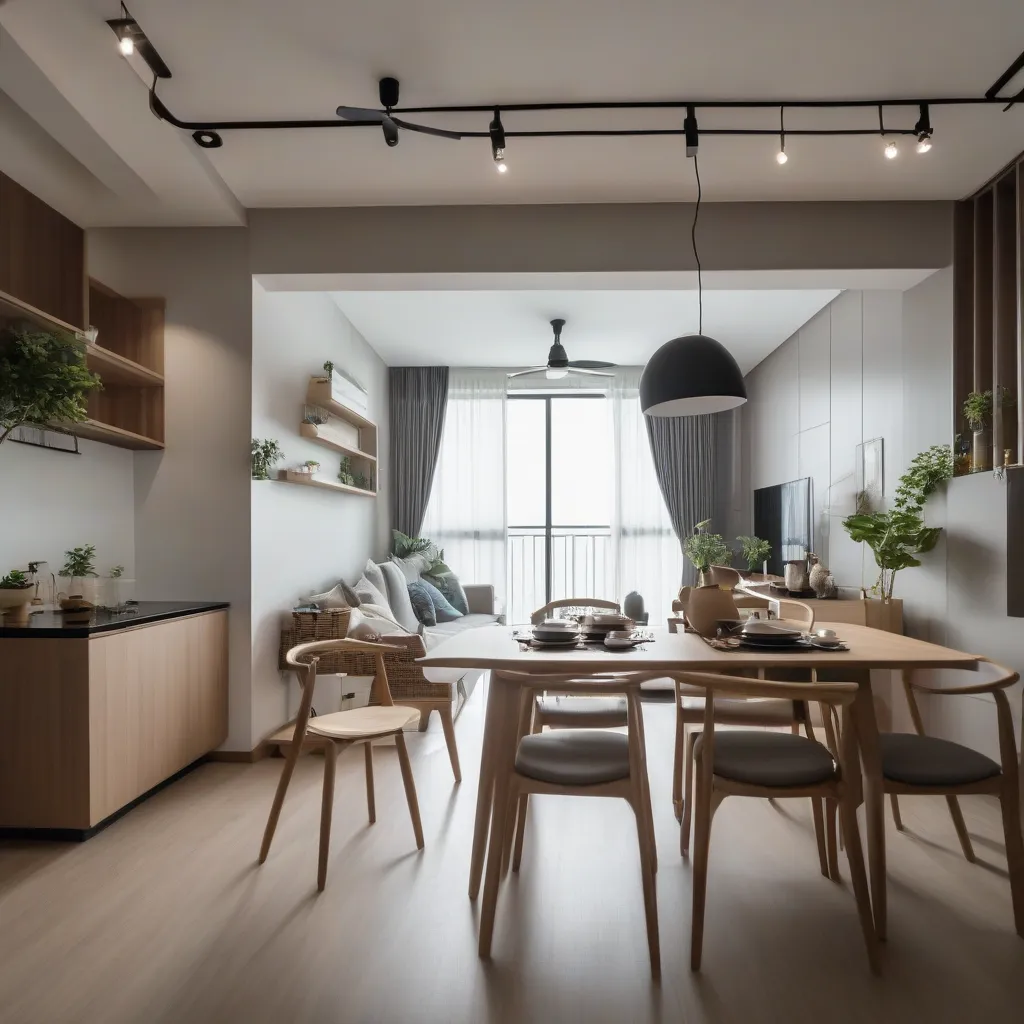
The Nova Furnishing Dining Collection: Tables for Every Singapore Home
A walk through the shapes, sizes, and materials in the Nova Furnishing dining collection, and how to match a table to the way your home is actually laid out.
11 April 2026 · 3 min read
Hosting Raya, CNY and Deepavali: Furniture That Makes Festive Gatherings Better
Once a year your dining table has to work twice as hard. Extendable tables, flexible seating and a good sideboard make hosting Raya, CNY and Deepavali much less stressful.
10 April 2026 · 4 min read
The Underrated Pleasure of a Really Comfortable Dining Area
Real dining comfort comes from chair cushioning, warm lighting, and a bit of breathing room, not just table dimensions. Here's how to get it right at home.
9 April 2026 · 3 min read
How Open-Concept Kitchens Changed the Way We Choose Dining Furniture
If your kitchen opens straight into the dining area, that table is on show all day, not just at mealtimes. Here's what actually changes about what you should buy.
7 April 2026 · 3 min read