
How to Buy a Complete Dining Set That Looks Coordinated
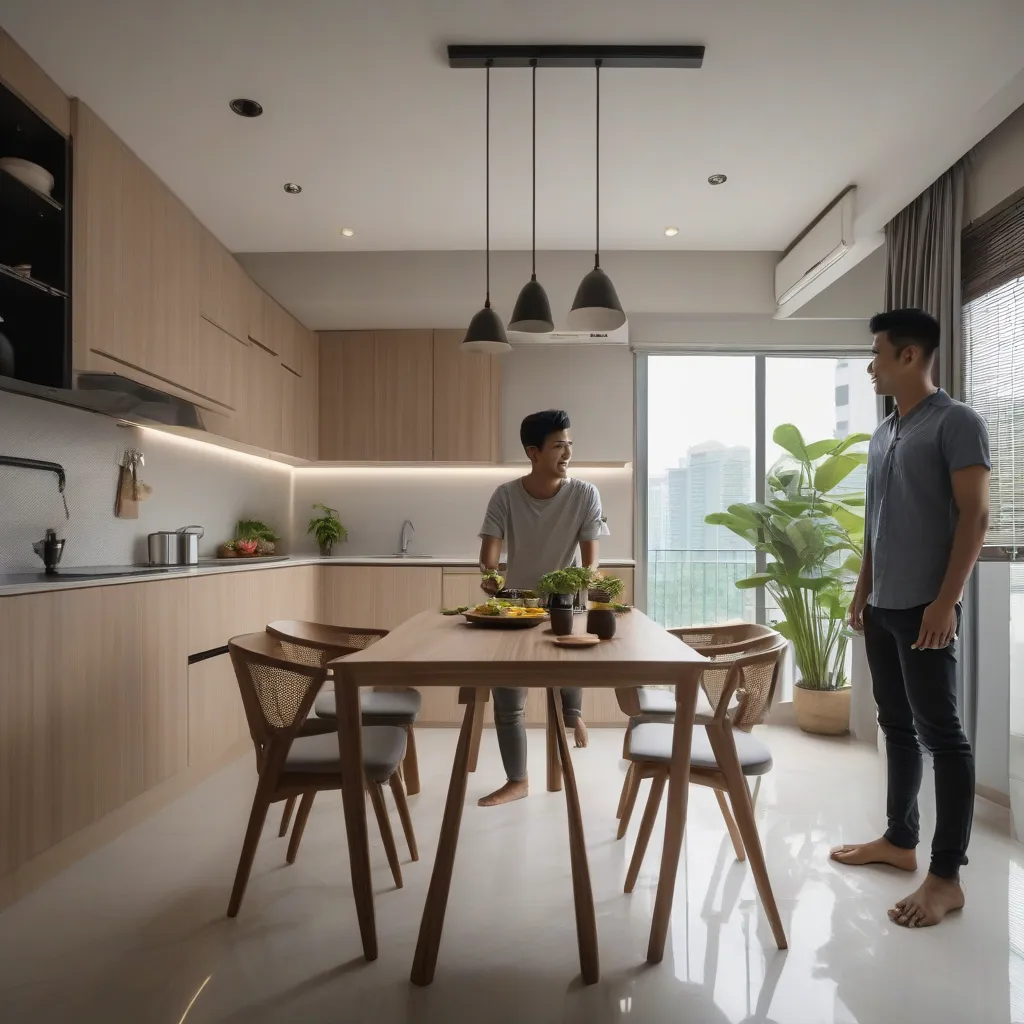
Coordinated Doesn't Mean Identical
The instinct when you're buying a dining set is to grab a table and chairs from the same collection, in the same finish, and assume that guarantees a coordinated look. Often it does. But a set can also be coordinated in every way that matters and still be assembled piece by piece. What actually makes a dining area feel put together has less to do with matching branding and more to do with a handful of proportions and finishes lining up.
Match Finish Tone, Not Necessarily the Exact Shade
Wood tones don't need to match exactly to look coordinated, but they do need to sit in the same family. Warm tones pair with warm tones, cool grey-toned woods pair with other cool tones. A honey-toned table next to a chair in a slightly darker but still warm wood reads as intentional. That same table next to a cool, grey-washed chair frame tends to look like a mismatch, even if both pieces are well made on their own.
Get the Proportions Right
Table height usually sits between 73 and 76cm, and chair seat height should fall between 43 and 48cm so there's enough clearance for knees and comfortable posture. Beyond the numbers, look at visual weight. A heavy, chunky table base next to thin, delicate chairs often looks off balance even when the finishes match perfectly. Aim for chairs whose visual heft roughly matches the table's own.
Deciding Between a Matching Set and a Mixed Look
The Case for a Matching Set
Buying the table and chairs together from one collection takes the guesswork out of it and guarantees the proportions were designed to work together from the start. It's the simpler route if you'd rather not spend time comparing pieces yourself.
The Case for Mixing Deliberately
A bench on one side with chairs on the other, or two chair styles used on purpose, can bring a character that a fully matched set sometimes lacks. The key word is deliberately. Mixing works when the pieces share a material, a tone, or an era of design, not when they're simply whatever happened to be available.
Small Details That Make or Break the Look
- Hardware and metal accents: if your table has metal legs or trim, keep any chair hardware in a similar metal tone rather than mixing brass with black or chrome.
- Upholstery consistency: if some chairs are upholstered, keep the fabric family consistent even if the exact colour varies a little across the set.
- The rug and pendant light: these frame the whole dining area, so they should echo the tones in the table and chairs, not fight them.
Buying in Stages Without Losing Coordination
Few households buy a full dining set in one visit, and that's fine as long as you plan ahead a little. If you're getting the table first and the chairs later, take a clear photo of the table in natural light, and bring along a small offcut or swatch of its finish if you can. Wood tone is notoriously hard to recall accurately from memory. What looked like a close enough match in your head can turn out to clash the moment the pieces sit side by side.
Testing the Look Before You Commit
Photos and swatches only tell you part of the story. Wood tones and fabric colours shift depending on the light they're under. Seeing the table and chairs together, in person, under the same lighting, is really the only reliable way to know they actually work together.
Visit a Nova Furnishing showroom to see our dining tables and chairs paired together in person, or bring in photos of pieces you're considering combining and our team can help you judge whether the tones and proportions will actually work.
Related Articles
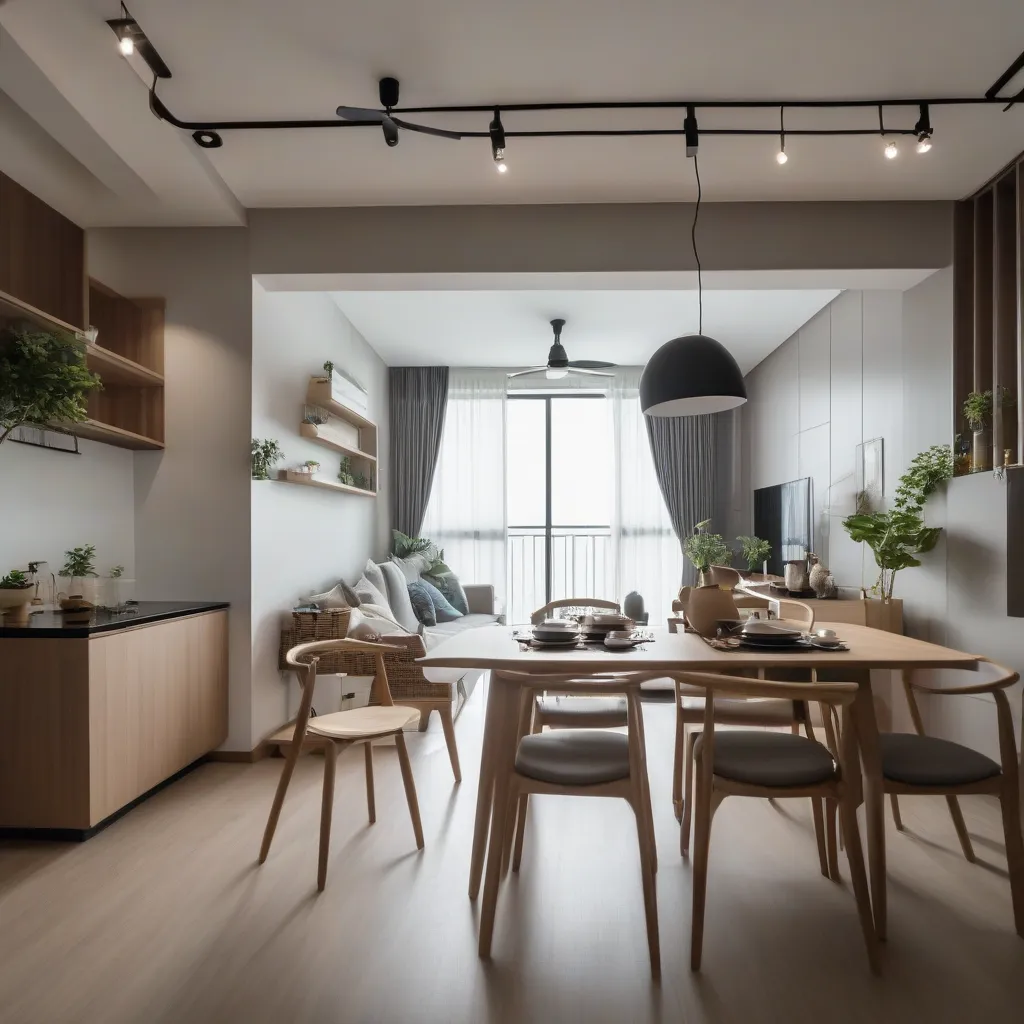
The Nova Furnishing Dining Collection: Tables for Every Singapore Home
A walk through the shapes, sizes, and materials in the Nova Furnishing dining collection, and how to match a table to the way your home is actually laid out.
11 April 2026 · 3 min read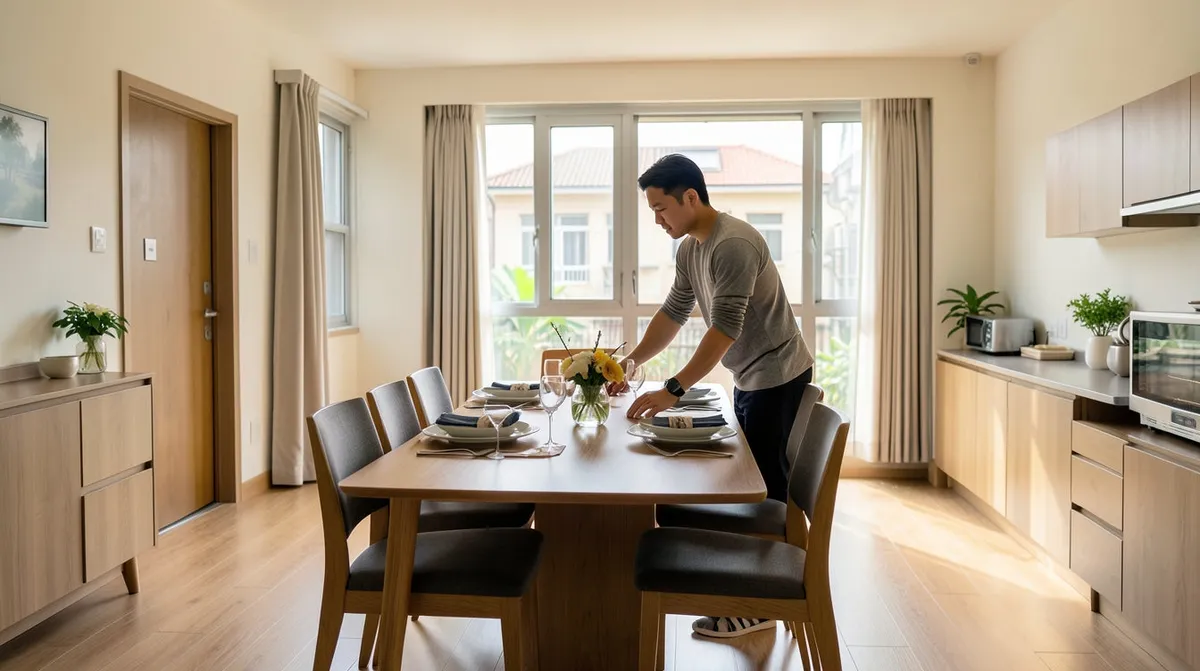
Hosting Raya, CNY and Deepavali: Furniture That Makes Festive Gatherings Better
Once a year your dining table has to work twice as hard. Extendable tables, flexible seating and a good sideboard make hosting Raya, CNY and Deepavali much less stressful.
10 April 2026 · 4 min read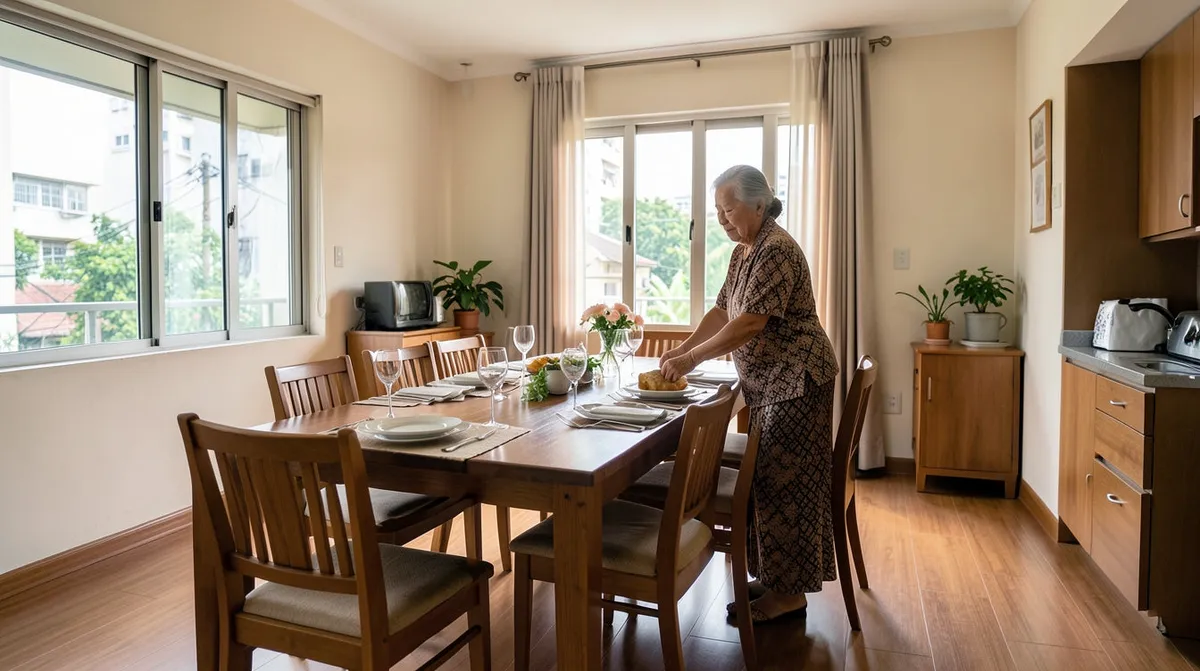
The Underrated Pleasure of a Really Comfortable Dining Area
Real dining comfort comes from chair cushioning, warm lighting, and a bit of breathing room, not just table dimensions. Here's how to get it right at home.
9 April 2026 · 3 min read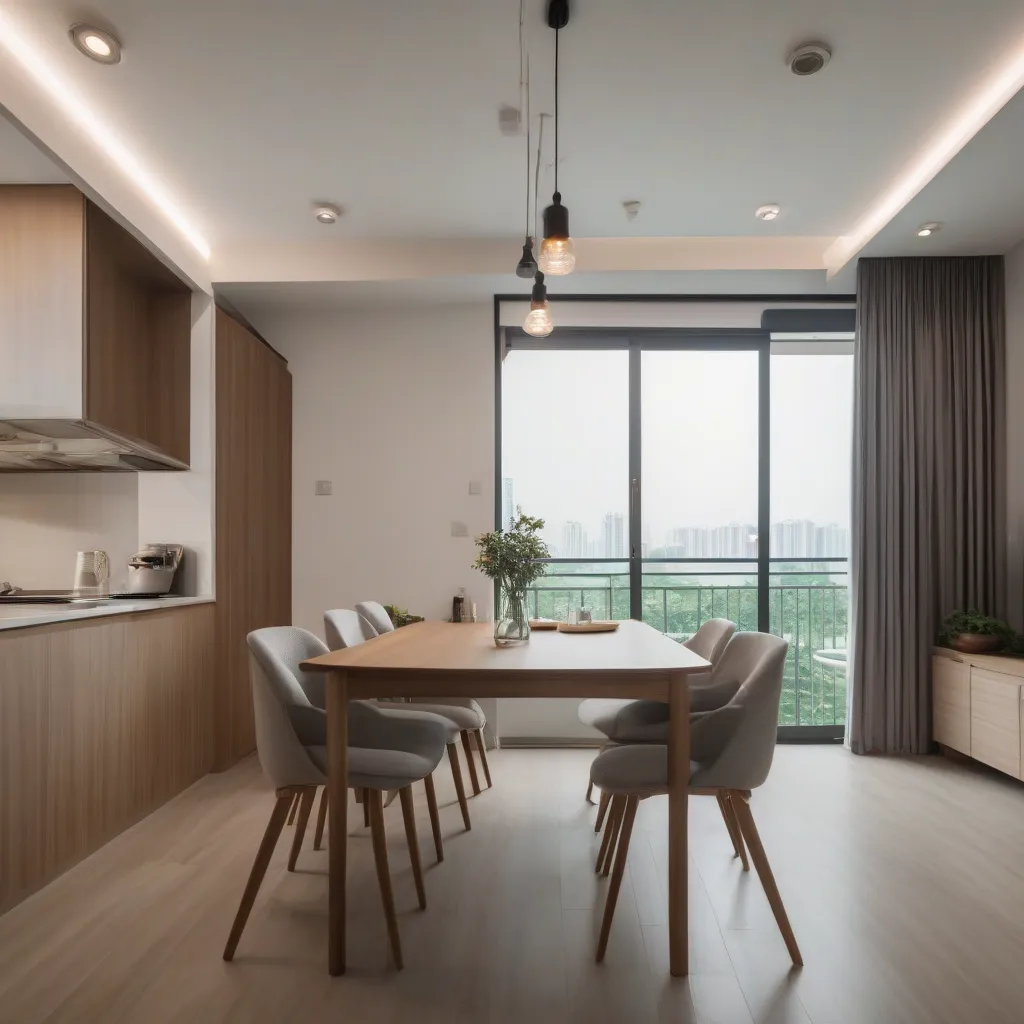
How Open-Concept Kitchens Changed the Way We Choose Dining Furniture
If your kitchen opens straight into the dining area, that table is on show all day, not just at mealtimes. Here's what actually changes about what you should buy.
7 April 2026 · 3 min read