
High-Back vs Low-Back Dining Chairs: Comfort and Space Trade-Offs
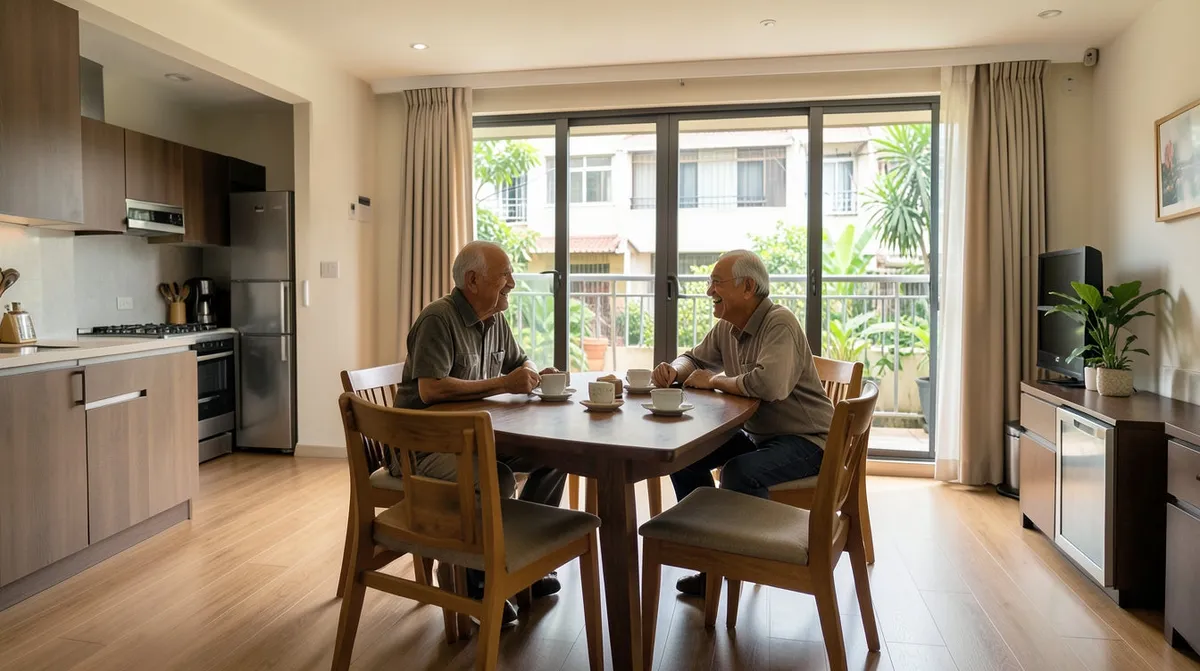
Two Silhouettes, Two Different Dining Experiences
Walk into any dining showroom and you'll notice dining chairs split roughly into two camps: chairs with a backrest that rises well above shoulder height, and chairs with a shorter back that stops around or below the shoulder blades. The difference looks purely stylistic at first, but it actually affects comfort, how much space the chair needs, and how well it suits a compact Singapore dining area.
Comfort: Where Each Style Wins
High-Back Chairs
A high back gives your upper back, and sometimes your head, somewhere to rest, which matters for households that linger at the table: long weekend breakfasts, homework sessions, or extended family dinners during festive periods. The extra support cuts down the urge to slouch during long sitting sessions, and a slightly reclined high back can feel closer to a lounge chair than a dining chair.
Low-Back Chairs
A lower back is less about lounging and more about efficient, comfortable seating for the actual length of a meal. With less structure behind your shoulders, low-back chairs tend to feel lighter to move in and out from the table, which matters if your household eats several quick meals a day rather than lingering over long ones.
Space: The Trade-Off Most People Miss
High-back chairs take up more visual and physical space around a table, even when the seat itself is the same width. The taller silhouette makes a dining area feel more enclosed, which matters in the open-concept living-dining layouts common in HDB flats where the dining set sits close to the living room. Low-back chairs keep sightlines open across the room, so a shared space feels less cluttered even with the same number of seats.
There's also a practical clearance issue: some high-back designs are tall enough that the top of the backrest catches the underside of a table with a thick apron when pushed in, so the chair never tucks in fully. Always check this in the showroom with your actual table, not just on paper.
Storage and Stacking
If your household regularly clears the dining area for other uses, CNY reunion dinners, a play space for young children, or just more floor space during the week, low-back chairs are generally easier to stack, slide under a console, or move around because they're lighter and less bulky. High-back chairs, especially upholstered ones, are usually meant to stay put as a fixed set.
A Practical Middle Ground: Mixing Heights
You don't have to pick only one style for the whole table. Many Singapore homes use high-back chairs at the two head positions, often where the household's older members or the most frequent long-sitters sit, paired with low-back chairs along the sides for the rest of the table. This adds a subtle hierarchy to the seating without looking mismatched, as long as the material and leg finish stay consistent across both styles.
Which Should You Choose?
- Choose high-back if your dining area doubles as a workspace or family gathering spot where people sit for long stretches.
- Choose low-back if your dining space is compact, open-concept, or needs to be cleared and reconfigured often.
- Mix both at the head and side positions for a table that suits different uses through the week.
At Nova Furnishing, our dining collections include both chair heights designed to pair with the same tables, so you can test the comfort and space trade-off in person before deciding.
Try Both in Person
The comfort difference between high-back and low-back chairs is easiest to feel by sitting in both for a few minutes. Visit a Nova Furnishing showroom or message us on WhatsApp, and our team will help you find the right balance for your dining space.
Related Articles
The Nova Furnishing Dining Collection: Tables for Every Singapore Home
A walk through the shapes, sizes, and materials in the Nova Furnishing dining collection, and how to match a table to the way your home is actually laid out.
11 April 2026 · 3 min read
Hosting Raya, CNY and Deepavali: Furniture That Makes Festive Gatherings Better
Once a year your dining table has to work twice as hard. Extendable tables, flexible seating and a good sideboard make hosting Raya, CNY and Deepavali much less stressful.
10 April 2026 · 4 min read
The Underrated Pleasure of a Really Comfortable Dining Area
Real dining comfort comes from chair cushioning, warm lighting, and a bit of breathing room, not just table dimensions. Here's how to get it right at home.
9 April 2026 · 3 min read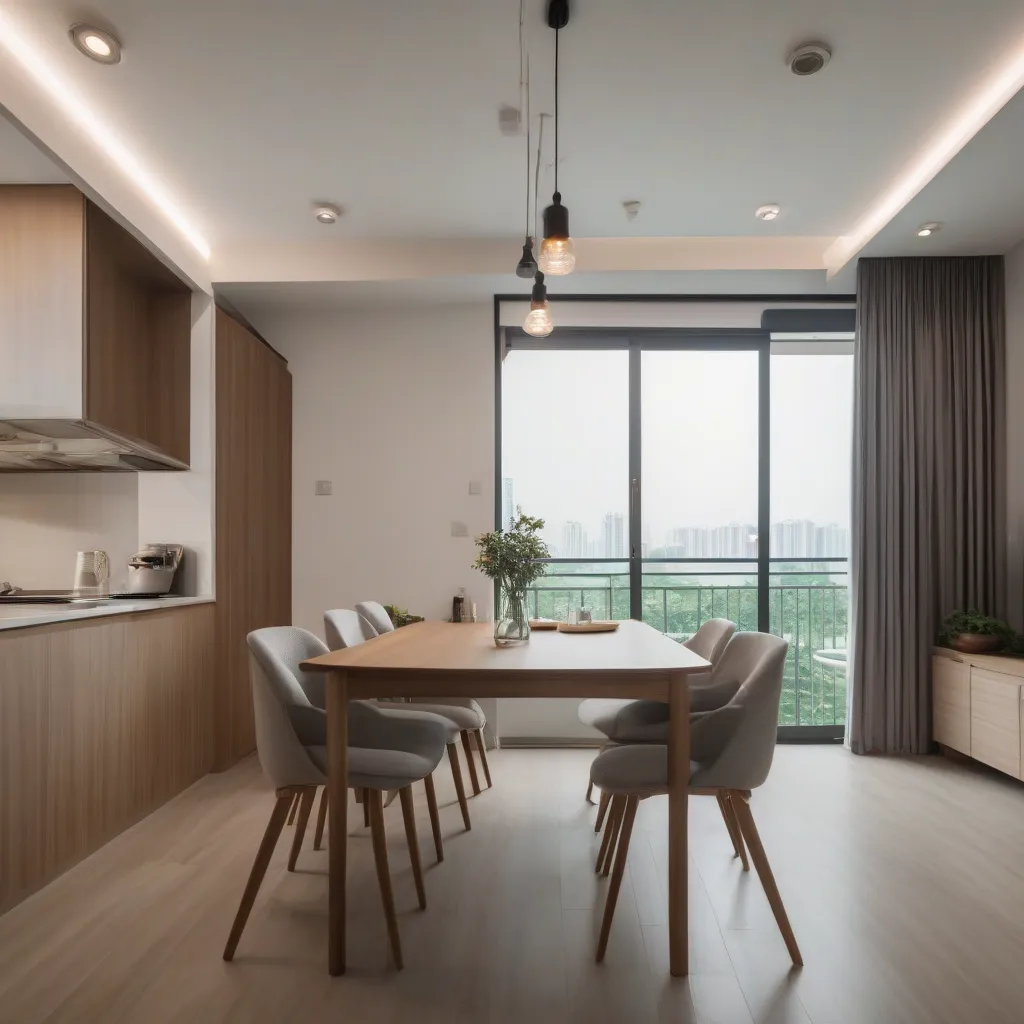
How Open-Concept Kitchens Changed the Way We Choose Dining Furniture
If your kitchen opens straight into the dining area, that table is on show all day, not just at mealtimes. Here's what actually changes about what you should buy.
7 April 2026 · 3 min read