
Furnishing Your Master Bedroom: The Right Order to Buy Bedframe, Wardrobe and Mattress

There is a right order to furnishing a master bedroom, and it has little to do with whichever piece catches your eye first at the shop. Buy things out of sequence and you can end up with a wardrobe door that has nowhere to swing open, or a mattress that turns up before anyone has checked whether it actually fits the frame you already committed to.
Step One: Settle the Bedframe First
The bedframe shapes everything else in the room, so decide on it before anything else. In a typical Singapore master bedroom of 12 to 15 square metres, put the bed against the longest unbroken wall and treat that placement as fixed before planning the rest. Leave at least 60cm of clearance on any side you need to walk around or reach into. Less than that and making the bed, or getting up in the middle of the night, turns into a squeeze.
Frame type matters here too.
- Storage bedframes with a hydraulic lift or built-in drawers make sense when the room has little or no built-in wardrobe space. They turn dead under-bed space into somewhere to keep off-season items or spare linen.
- Platform bedframes sit low and keep sightlines open, which helps a compact room feel less closed in. This works especially well in smaller BTO layouts.
- Upholstered bedframes give the room a softer, more hotel-like feel, though the fabric does need a bit more upkeep in Singapore's humidity. They suit rooms with regular air conditioning or decent airflow.
Step Two: Fit the Wardrobe Around the Bed
Once the bed's position and clearance zone are locked in, you know exactly how much wall length and floor space remains for a wardrobe, and just as important, how its doors need to open.
Sliding vs Swing Doors
If the wardrobe has to sit close to the foot or side of the bed, sliding doors are usually the safer pick since they need no clearance in front to open. Swing doors look and feel more premium and give easier access to the full depth of the wardrobe, but they typically need 50 to 60cm of clear floor space to swing all the way open, which can be a tight ask once a bed and bedside tables are already in the room.
What Goes Inside Matters Too
Adjustable shelving, a hanging section sized for both short and long garments, and built-in drawer dividers make a wardrobe genuinely usable instead of just a box for hiding clutter. Good internal ventilation, whether that is slatted shelving or small vents, matters more here than in drier climates. Stagnant air inside a packed wardrobe is exactly where mould and mustiness start on stored clothing.
Step Three: Choose the Mattress Last
The mattress should be the final decision, not the first. Comfort preference, firm, medium, or plush, is personal and best tested once you already know the exact frame dimensions and base type it needs to sit on. A platform frame with slats needs a mattress rated for slatted bases; a divan or storage frame with a solid base gives you more flexibility. Buy the mattress before the frame is settled and you risk a mismatch in support or size that only shows up once both pieces are already home.
Seeing the Pieces Together Before You Decide
Room dimensions on paper only tell part of the story. How a bedframe, wardrobe and mattress actually feel next to each other is far easier to judge standing in front of them. At Nova Furnishing, our showroom is set up so you can walk the real clearance around a frame and test a wardrobe's swing before deciding anything, and our consultants are happy to help you figure out what order makes sense for your specific room.
Related Articles

Creating a Bedroom That Feels Like a Retreat From Busy Singapore Life
A few small, deliberate changes to light, texture, and clutter that can turn a Singapore bedroom into an actual retreat from a busy routine.
9 April 2026 · 3 min read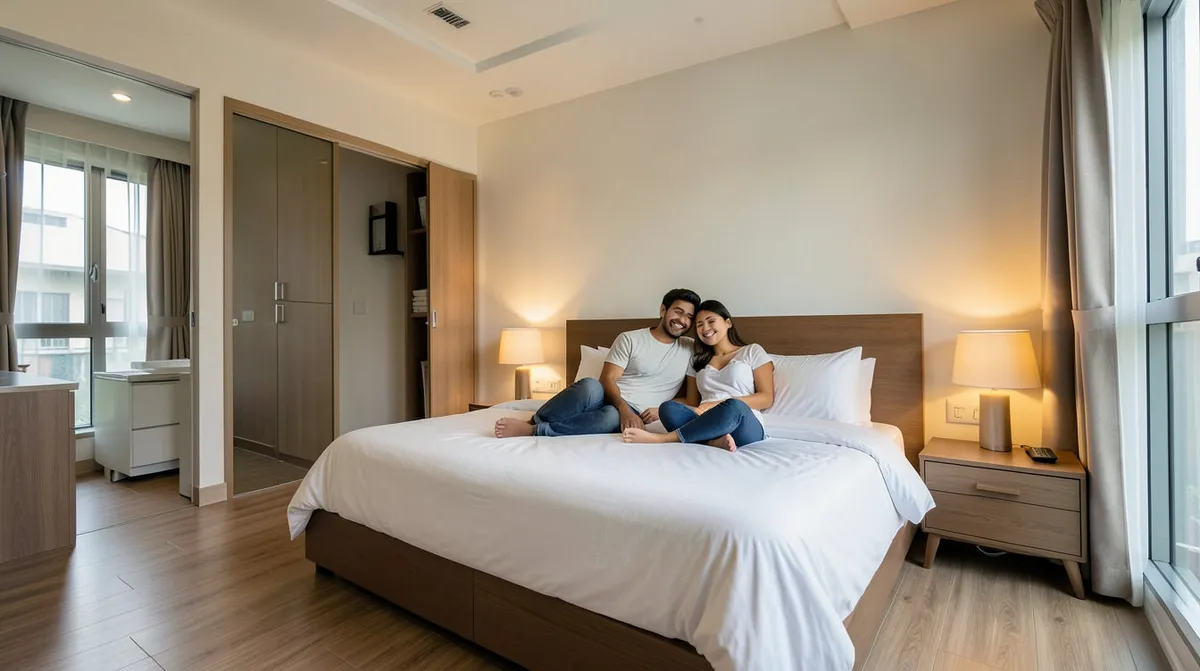
Small Condo Bedroom: How to Fit a Queen Bed, Wardrobe and Dressing Area
A practical layout guide for fitting a queen bed, wardrobe and dressing area into a compact Singapore condo bedroom.
31 March 2026 · 3 min read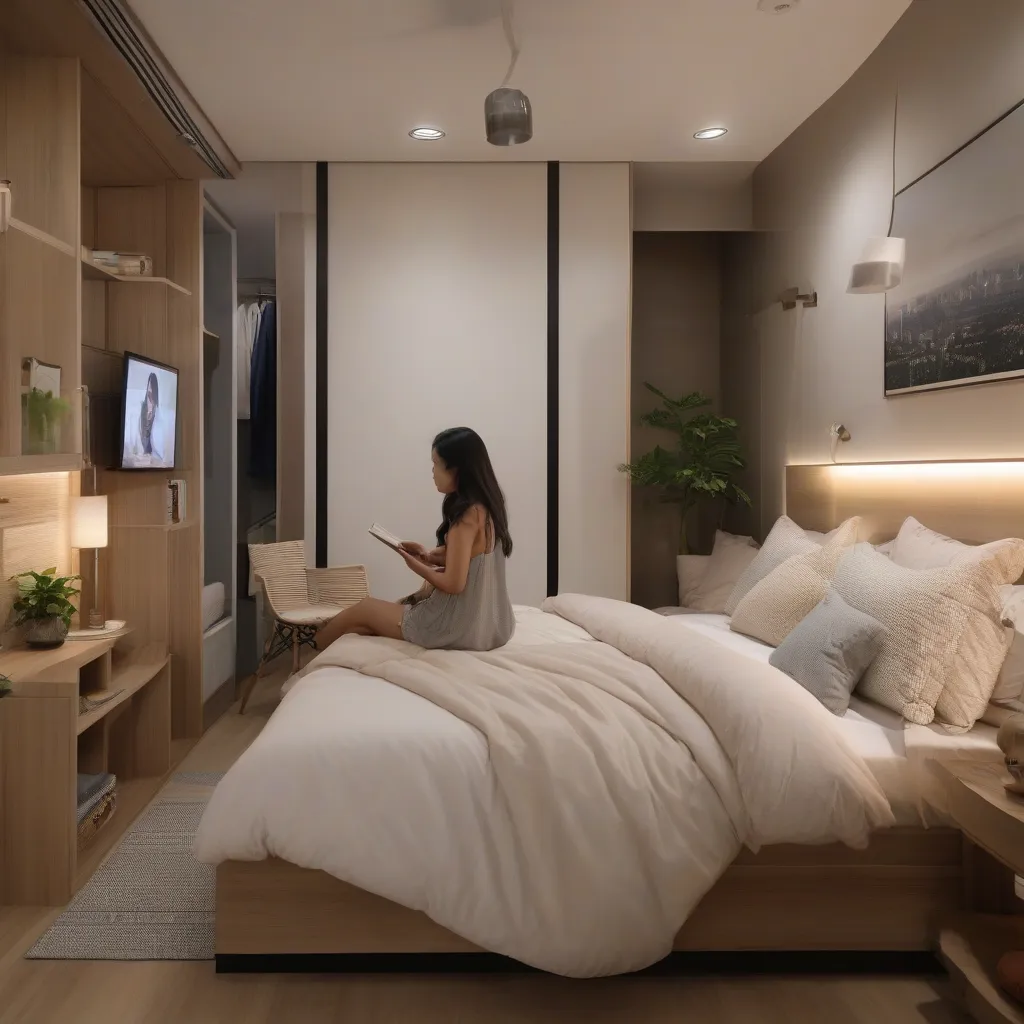
King Size vs Queen Size Bed: What Really Fits in Singapore Bedrooms?
How king and queen bed sizes actually measure up against real Singapore HDB and condo bedrooms, plus what to think about for your bedframe and wardrobe.
24 March 2026 · 2 min read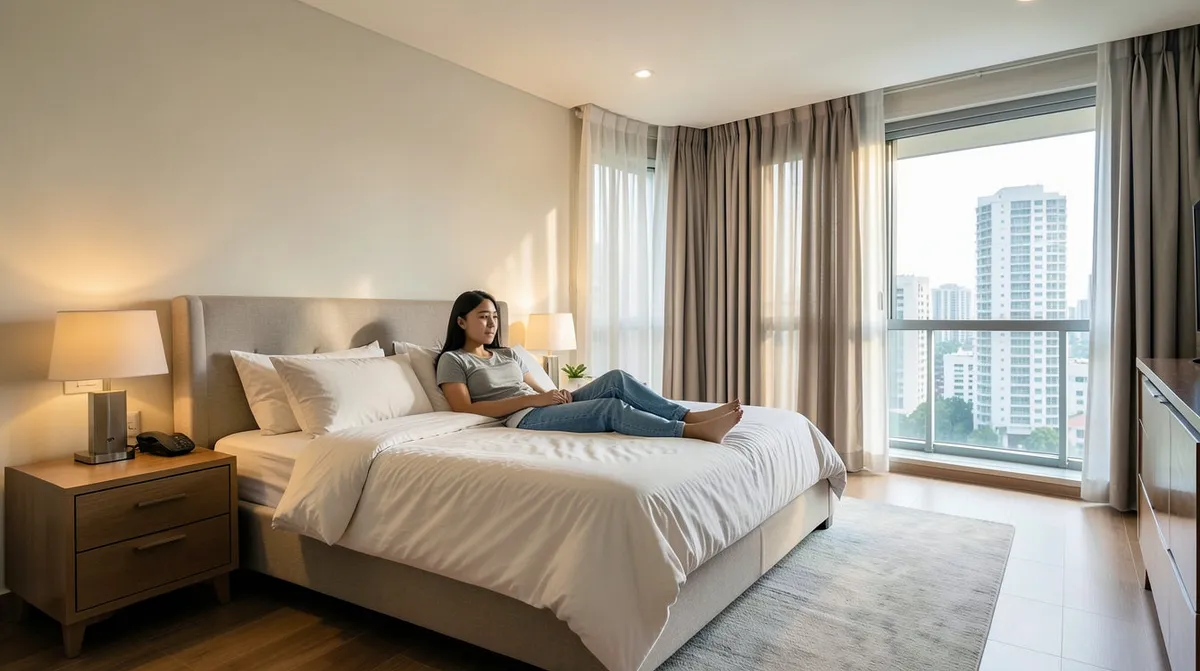
Wood vs Metal Bedframe: Strength, Style and Noise Compared
A real comparison of wood and metal bedframes on strength, style, and noise, with what actually matters for Singapore bedrooms.
24 March 2026 · 4 min read