
Everything You Need to Know Before Buying a Modular Sofa

What "Modular" Actually Means
A modular sofa is made up of separate seating units, things like armless chairs, corner pieces, chaises, and ottomans, that connect together into one configuration but can also be pulled apart and used on their own. That's different from a plain sectional, which is usually fixed into one L or U shape for good. The appeal for Singapore homes is flexibility. The same pieces can sit as a long three-seater today and split into two smaller seats later if you move flats or just want to change up your layout.
Measure Twice Before You Choose a Layout
The most common mistake with modular sofas is falling for a configuration that simply doesn't fit the room. Before you settle on a layout:
- Map your living room's actual usable floor space, not the total room size. Account for walkways, the TV console, and any doors or windows the sofa shouldn't block.
- Check delivery access, including lift dimensions, staircases, and door widths. Modular pieces are usually delivered as separate sections for exactly this reason: full sectionals often can't get through HDB doorways or lifts in one piece.
- Leave at least 60 to 75cm of walking clearance around the sofa where you can, especially along the path to the kitchen or bedrooms.
Decide How You Will Actually Configure It
Before buying, picture your real life in the space. A chaise-and-corner setup suits families who like to stretch out in front of the television. A modular set with a movable ottoman works well if you host now and then and want flexible extra seating without committing to one bulky shape. If you're living alone or as a couple, a smaller two- or three-module set may suit you better than a large L-shaped configuration that eats up the room.
Fabric and Frame Matter More Than the Shape
Singapore's humidity is hard on the wrong materials. Look for upholstery that breathes and wipes clean easily, since fabric that traps moisture can develop odours or mildew over time. On the frame side, ask what's inside. A solid timber or reinforced frame will hold its shape through years of daily use far better than a lightweight frame that may sag or start creaking within a couple of years.
Check How the Pieces Actually Connect
Some modular systems use simple hook-and-loop connectors between sections, which can loosen over time once children or pets start moving cushions around. Others use metal brackets or interlocking frames that hold configurations together more securely. If you plan to reconfigure often, ask how easy and sturdy the process actually is. A system that's fiddly to rearrange will probably just end up staying in one shape forever anyway.
Think About Cushion Fill Long-Term
Foam density affects both comfort and how long a cushion keeps its shape. Higher-density foam costs more upfront but resists sagging for longer, which matters if the sofa will see daily use from a full household. If you prefer a softer sink-in feel, a foam-and-fibre blend gives you that comfort while still holding its shape better than fibre alone.
A Few Questions Worth Asking In-Showroom
- Can individual modules be replaced or added later if my needs change?
- What's the warranty coverage on the frame versus the fabric?
- How is the sofa cleaned, and are the covers removable and washable?
Ready to See One in Person
Modular sofas are genuinely one of the more forgiving choices for Singapore's changing home sizes, but the right configuration really comes down to your specific room. Visit a Nova Furnishing showroom with your floor plan in hand, or send us your room dimensions over WhatsApp, and our team will help you work out a layout that actually fits and works in your home.
Related Articles
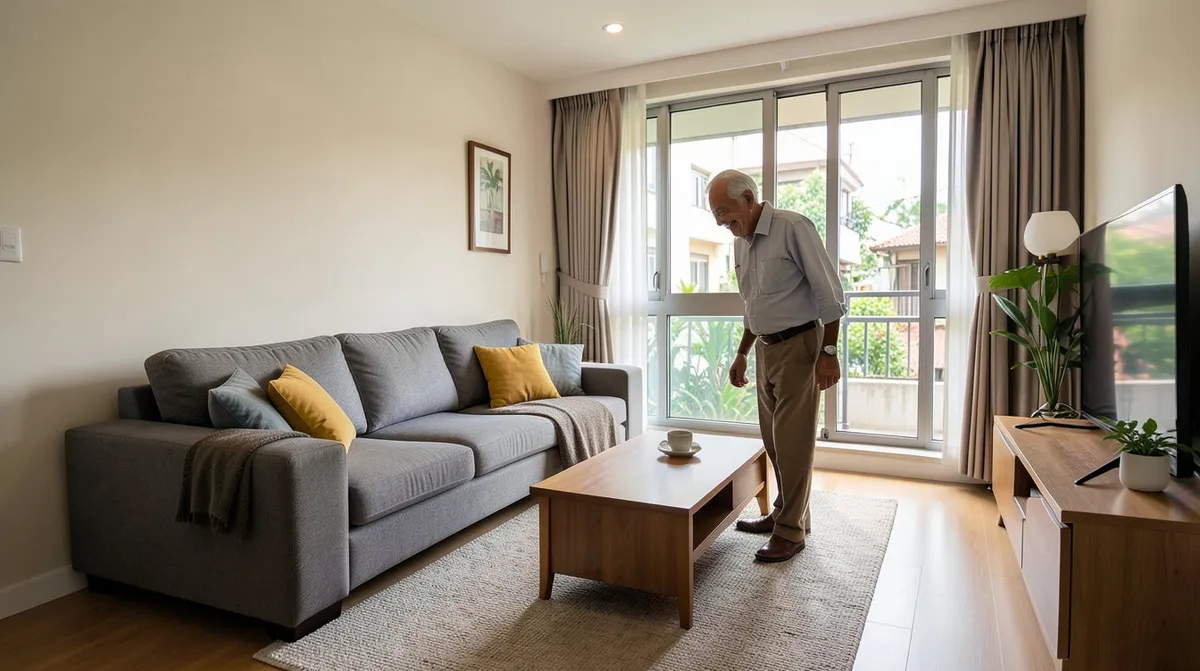
Behind the Scenes: How a Quality Sofa Is Actually Made
What actually determines sofa quality: frame timber, suspension type, foam density, and stitching, explained plainly.
13 April 2026
We Measured 50 HDB Living Rooms, Here's the Sofa Size That Fits Almost Every One
The sofa size and configuration that fits most HDB living rooms, plus clearance rules and honest material trade-offs for Singapore's humid climate.
13 April 2026
What Your Sofa Colour Says About You
A practical look at sofa colour choices, paired with honest guidance on measuring, materials, and finding the right configuration for your home.
13 April 2026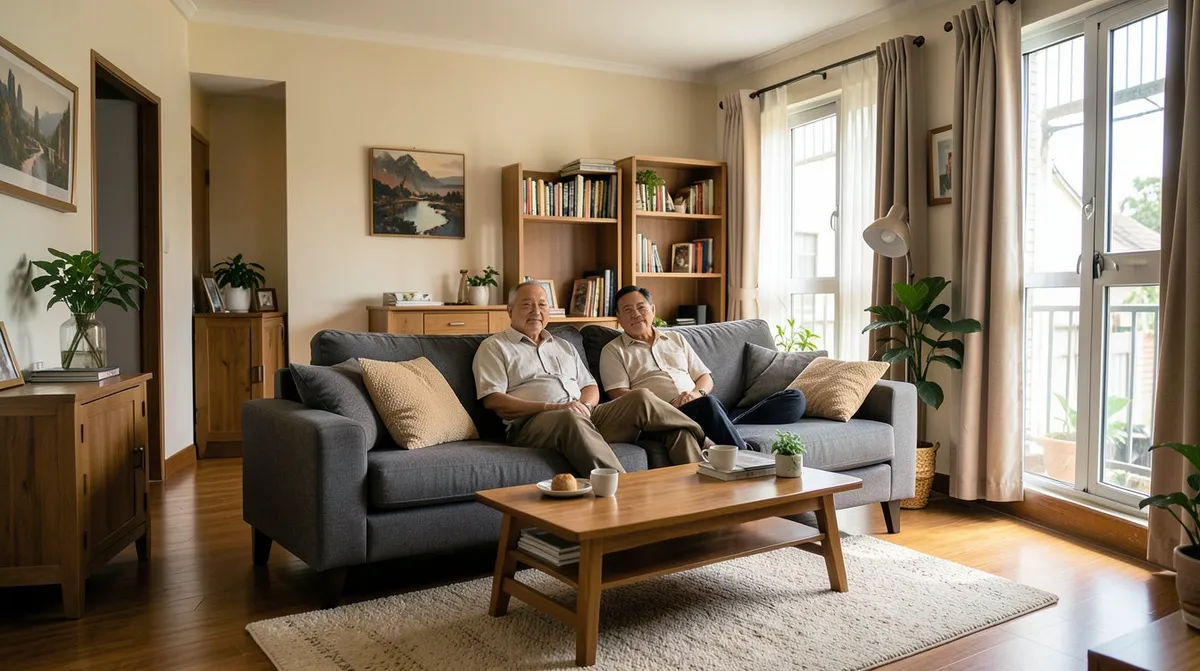
Customise Your Dream Sofa at Nova Furnishing: Materials, Colours and Sizes
How sofa customisation actually works at Nova Furnishing: choosing between fabric or leather, picking a colour that suits your light, and sizing a configuration to fit your floor plan.
11 April 2026