
Behind the Scenes: How a Quality Sofa Is Actually Made
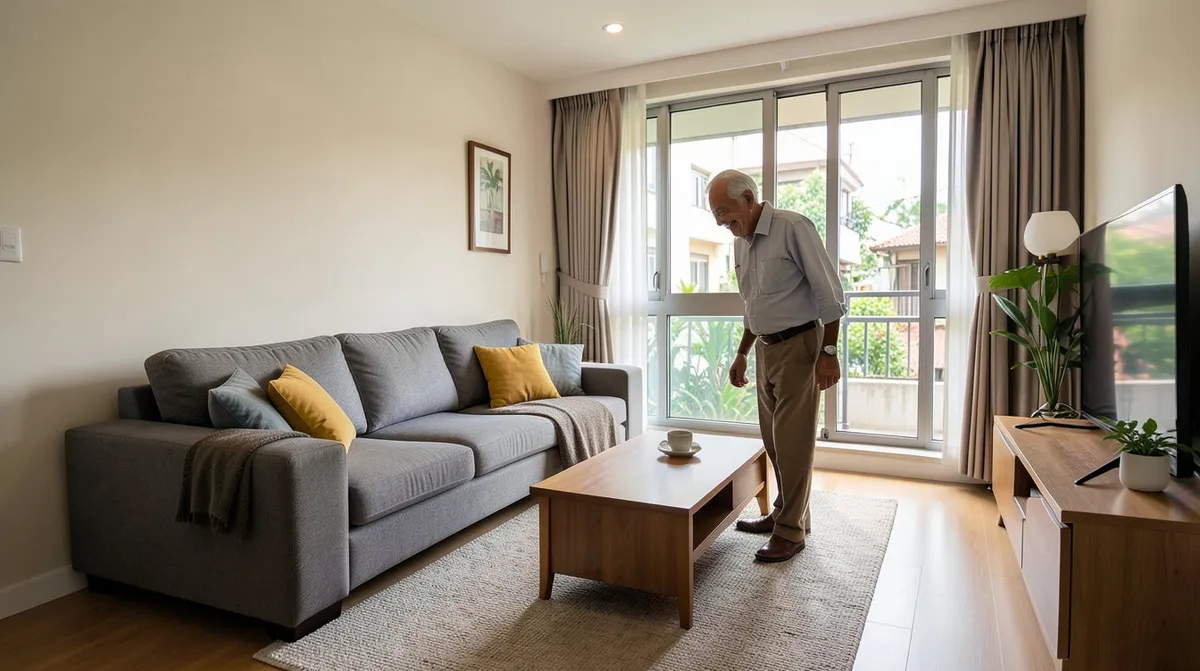
Strip away the fabric or leather on any sofa, and what is underneath tells you almost everything about how long it will actually last in your living room. Most of what shoppers judge in a showroom, colour, texture, the shape of the arm, has very little to do with durability. The frame, the suspension, and the cushion fill are where the real decisions get made, usually long before the sofa ever reaches Singapore.
The frame is the foundation
A sofa frame is typically built from one of three materials: kiln-dried hardwood, plywood, or particleboard (sometimes called chipboard). Kiln-dried hardwood, such as rubberwood or oak, has had its moisture content reduced in a controlled process before construction. This matters in Singapore's climate. Timber that has not been properly dried keeps expanding and contracting as it absorbs ambient humidity, and joints that felt tight at the factory can loosen within a year or two inside an air-conditioned condo or a naturally ventilated HDB flat.
Plywood frames, built from multiple cross-grain layers, are also reasonably stable and resist warping better than solid softwood. Particleboard is the weakest option: it is essentially compressed wood chips and glue, and it does not hold screws well over repeated use, especially once it has absorbed any moisture. The joinery matters just as much as the material. Look for corner blocks, dowels, and glued-and-screwed joints rather than staples or nails alone, which tend to work loose under the constant flexing a sofa frame goes through.
What holds you up: the suspension system
Between the frame and the cushions sits the suspension, the part that gives a sofa its support and its give. Common systems include sinuous zigzag springs, which run front to back and are affordable and reasonably durable; webbing, which is woven strips of rubberised fabric stretched across the frame; and eight-way hand-tied coil springs, the traditional and most labour-intensive method, where individual springs are tied together in eight directions for even support and less long-term sag.
Cushion fill: density matters more than thickness
Foam that looks plush in the showroom can behave very differently after a year of daily use. What matters is foam density, not just thickness. A higher-density foam holds its shape and recovers after you stand up, while low-density foam compresses permanently and starts to feel like sitting on a shelf. Better sofas wrap a high-density foam core in a layer of fibre to soften the surface feel without giving up the support underneath. In Singapore's heat and humidity, cheaper open-cell foams can also degrade faster and are more prone to holding moisture, which can eventually lead to a musty smell in cushions that do not get enough airflow.
Stitching and upholstery: the visible clues
Once the frame is built and padded, the upholstery goes on last, and this is where you can actually inspect quality without cutting the sofa open. Look for double-stitched seams, which resist splitting under regular use, and check that fabric patterns or leather grain line up symmetrically across cushions and arms. On leather sofas, full-grain or top-grain leather shows natural texture and slight imperfections, while bonded leather, a manufactured material with a leather-look coating, tends to crack and peel within a few years, particularly in humid conditions.
What to actually check before you buy
- Lift a corner of the sofa: a heavier frame usually signals hardwood rather than particleboard
- Press down firmly on a cushion and release: it should spring back within a couple of seconds
- Check the underside for corner blocks and screwed joints rather than staples alone
- Ask what is inside the cushion fill, not just what fabric covers the surface
- Sit for a few minutes rather than a few seconds: sag and firmness are far easier to judge over time
None of this shows up in a product photo, which is exactly why it is worth sitting on a sofa before committing to one. At Nova Furnishing, our showroom pieces let you feel the frame, press the cushions, and compare suspension types side by side, so you can judge construction quality for yourself rather than take it on faith. Drop by or message us on WhatsApp if you would like a walk-through of what is inside our range.
Related Articles

We Measured 50 HDB Living Rooms, Here's the Sofa Size That Fits Almost Every One
The sofa size and configuration that fits most HDB living rooms, plus clearance rules and honest material trade-offs for Singapore's humid climate.
13 April 2026 · 3 min read
What Your Sofa Colour Says About You
A practical look at sofa colour choices, paired with honest guidance on measuring, materials, and finding the right configuration for your home.
13 April 2026 · 2 min read
Customise Your Dream Sofa at Nova Furnishing: Materials, Colours and Sizes
How sofa customisation actually works at Nova Furnishing: choosing between fabric or leather, picking a colour that suits your light, and sizing a configuration to fit your floor plan.
11 April 2026 · 4 min read
Our Best-Selling Sofas, And What Makes Them Singapore's Favourites
What Singapore homeowners actually choose when they're standing in the showroom, and the practical reasons a handful of sofa styles keep winning out.
11 April 2026 · 3 min read