
A Guide to Dining Room Feng Shui
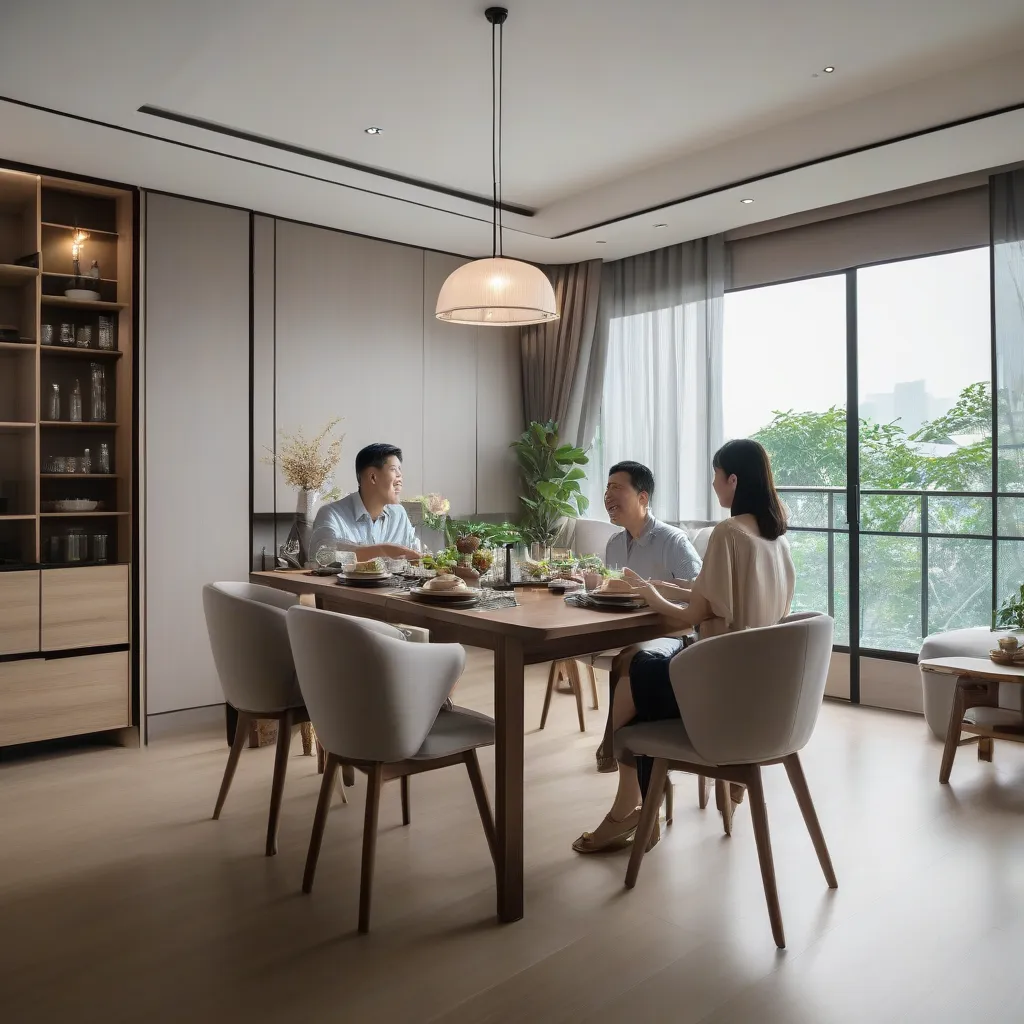
For a lot of Singapore households, the dining room isn't just for eating. It's where work gets done, where friends drop by, and where the family actually sits down together. Because it carries so much weight in daily life, it's worth thinking about how to make it feel right, and that's where Feng Shui comes in.
Feng Shui teaches that small choices, like the shape of your dining table or how the room is laid out, affect the flow of energy through the space. Get it right and people say you'll notice calmer meals, better conversation, and a general sense of abundance in the home. At its heart, Feng Shui isn't about decoration for its own sake. It's about a room that feels good to sit in, not just one that looks nice in photos.
The Ideal Dining Room Layout in Feng Shui
How you arrange your furniture and decor can either support a calm, balanced atmosphere or work against it, according to Feng Shui principles.
Where your dining table sits in relation to doors and windows matters. Try not to line it up directly with a door or hallway entrance, since this is thought to create a "chi rush" that unsettles the energy in the room.
Chi is the life force that Feng Shui says moves through everything around us. Keeping it flowing smoothly and evenly is really the whole point of arranging a room well.
A well laid-out dining room usually has the table sitting near the centre with enough space around it for people to move freely, which naturally invites conversation. It also helps if no one at the table has their back to a door or window, since that can leave people feeling a little exposed.
Wealth Area in the Dining Room
In Feng Shui, the southeast corner of the dining room is considered the wealth area, linked to abundance and prosperity. Many people place something meaningful there, like a healthy plant or a small water feature, to support this. Keeping that corner clean, uncluttered, and reasonably well lit is said to help it do its job.
Dining Room Design & Decor Tips
Here are some Feng Shui basics worth knowing if you want to bring more balance into your dining space:
Dining Table Selection
Sharp table corners are said to send out "poison arrows" that disturb the flow of chi, so round or oval tables with soft edges are generally preferred.
If you already own a rectangular or square table, there's no need to replace it. A tablecloth or table runner softens the edges just as well and saves you the expense.
Solid wood tables are a common recommendation too, since wood is linked with growth, stability, and positive energy in Feng Shui. Woods like teak, walnut, or mahogany also tend to hold up well over the years, which is a practical bonus on top of the symbolism.
Glass dining tables are usually discouraged in Feng Shui. The thinking is that a transparent surface makes the energy around it feel less grounded and more unstable, even though glass remains a popular style choice for many homes.
Dining Room Lighting
Soft, warm lighting suits a dining room far better than anything harsh or clinical. Candles or a dimmer switch let you adjust the mood depending on the occasion, which makes meals feel more relaxed and personal.
Whatever fixtures you choose, try to steer clear of bright overhead lighting that can leave the room feeling tense rather than welcoming, especially for a space meant for shared meals and unhurried conversation.
Dining Table Size and Seating
A table that comfortably seats six to eight people is usually considered ideal, since cramped seating is thought to signal a lack of abundance in Feng Shui. If you host often, an extendable table gives you room to grow for bigger gatherings without taking up extra space day to day.
An even number of chairs is generally preferred too, as odd numbers are thought to throw off the balance of the room.
Positioning the Dining Table
Keep the table roughly centred in the room with clear space around it, so chi can move freely and people feel comfortable sitting down together. Avoid seating arrangements where someone's back faces the entrance, since this is thought to leave them feeling unsettled.
Positioning the dining table near the kitchen, though not directly facing the kitchen door, is said to support a smoother connection between where food is prepared and where it's eaten.
Décor and Paintings
Mirrors are treated a little differently in the dining room than elsewhere in the home. Rather than avoiding them, Feng Shui suggests positioning a mirror to reflect the dining table, symbolically "doubling" the meal and the abundance it represents.
For artwork, scenes of nature, abundance, or happy gatherings are generally favoured, since they're believed to lift the energy of the room. Images of solitary figures, storms, or conflict are best left for other parts of the house.
Dining Room Colour Scheme
Warm colours like yellow and orange are traditionally linked to appetite and good energy in Feng Shui, and they tend to make a dining space feel more inviting.
Not everyone wants to paint their walls yellow or orange, understandably, so these tones work just as well through table linens, a few decorative pieces, or artwork on the walls.
Enhance Your Dining Room with Nova Furnishing
Bringing Feng Shui thinking into your dining room is really about creating a space that supports good health, happy meals, and a sense of ease at home. If you'd like your dining furniture to reflect these principles, Nova Furnishing has a wide range of dining pieces to help you build a room that feels calm and welcoming.
From dining chairs to dining tables, browse our collection online or drop by our showroom to find pieces that suit your space. We'd love to help you turn everyday meals into something worth sitting down for.
Related Articles
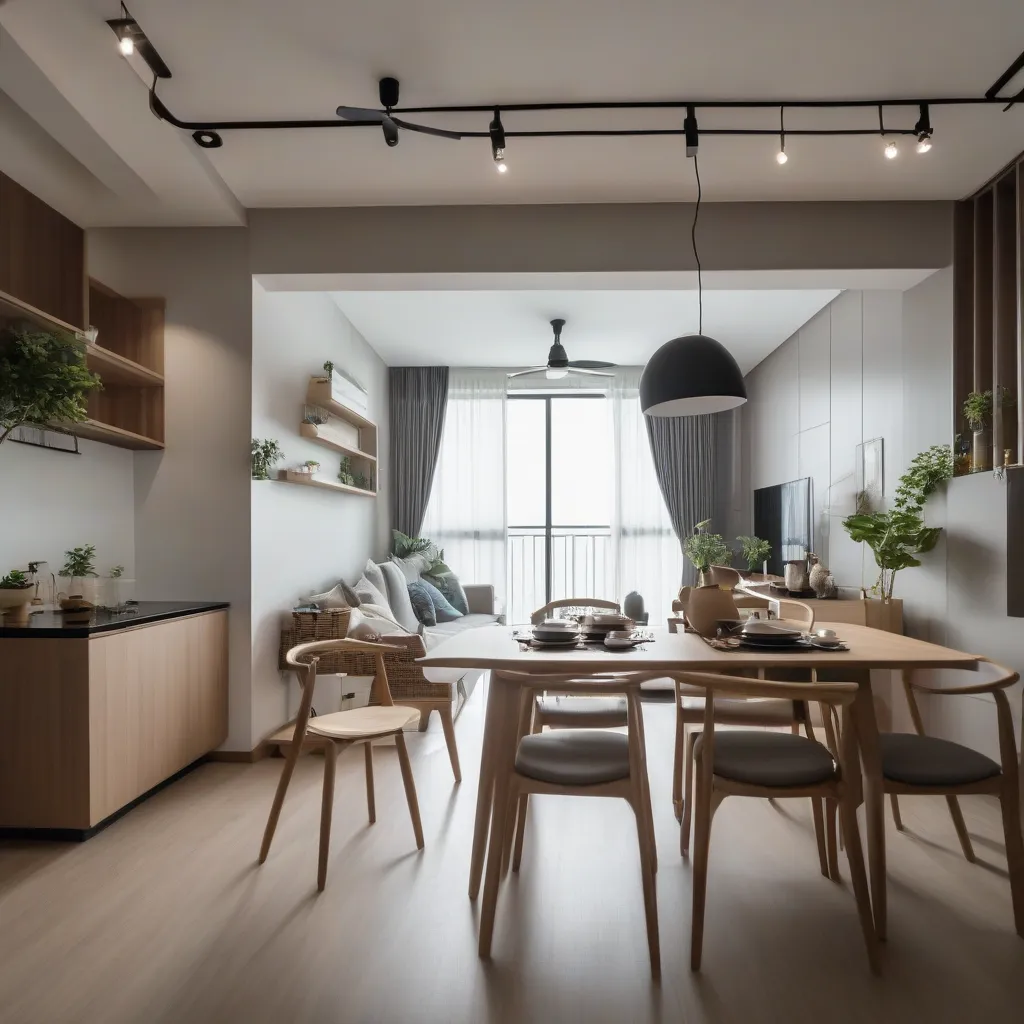
The Nova Furnishing Dining Collection: Tables for Every Singapore Home
A walk through the shapes, sizes, and materials in the Nova Furnishing dining collection, and how to match a table to the way your home is actually laid out.
11 April 2026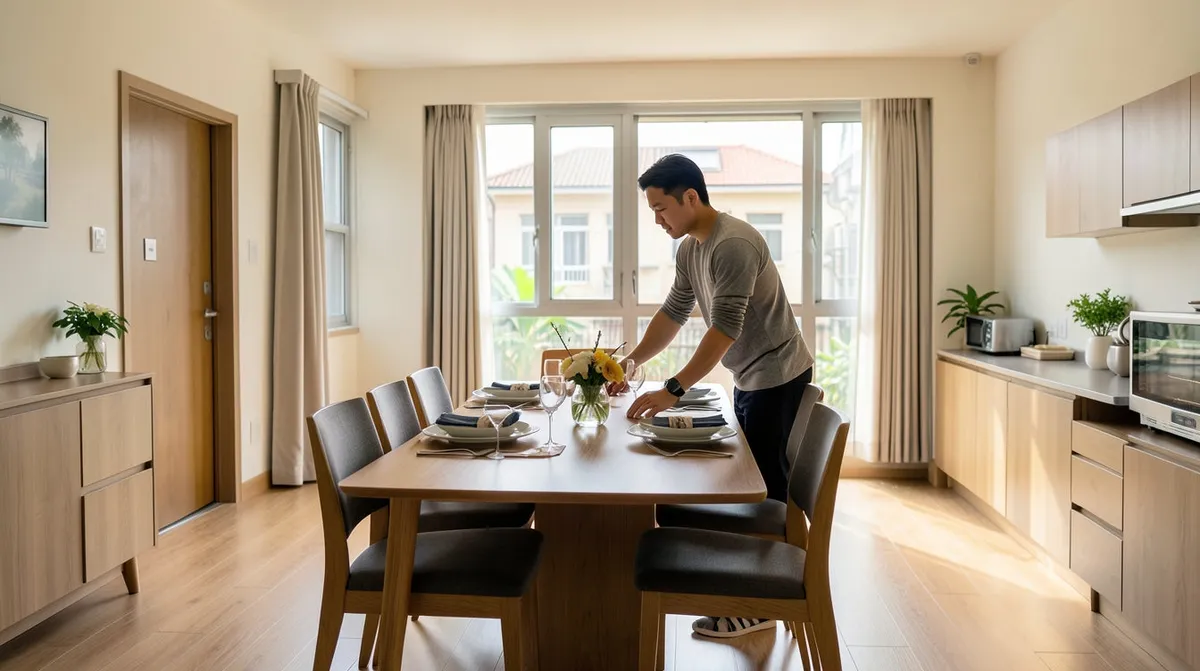
Hosting Raya, CNY and Deepavali: Furniture That Makes Festive Gatherings Better
Once a year your dining table has to work twice as hard. Extendable tables, flexible seating and a good sideboard make hosting Raya, CNY and Deepavali much less stressful.
10 April 2026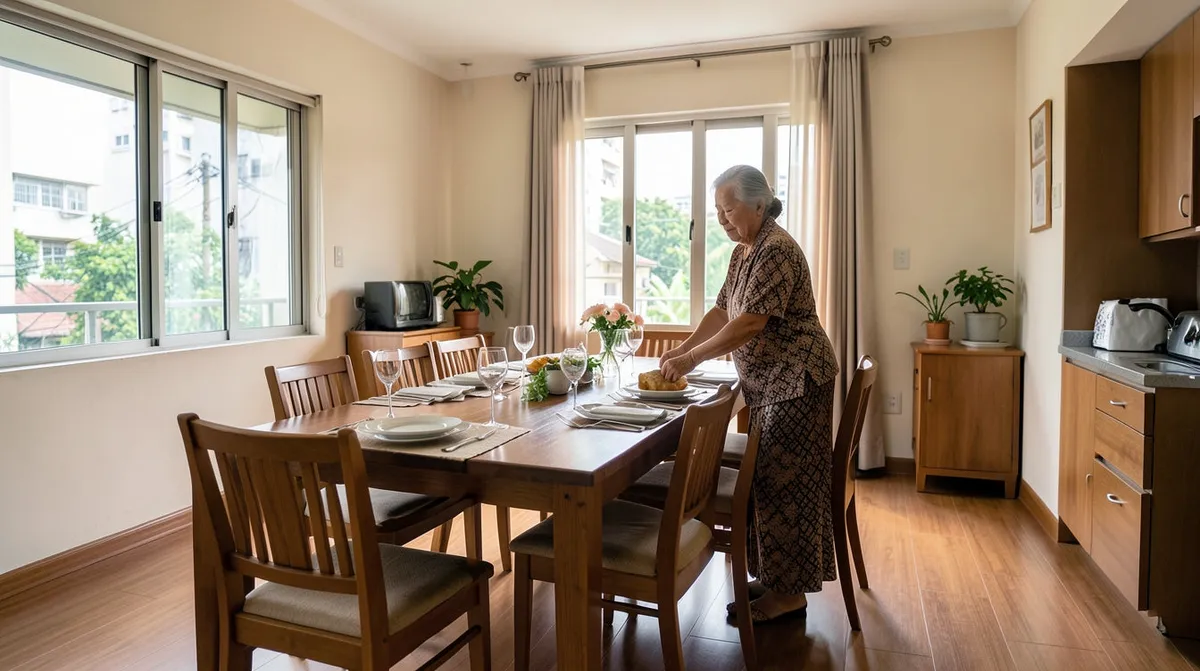
The Underrated Pleasure of a Really Comfortable Dining Area
Real dining comfort comes from chair cushioning, warm lighting, and a bit of breathing room, not just table dimensions. Here's how to get it right at home.
9 April 2026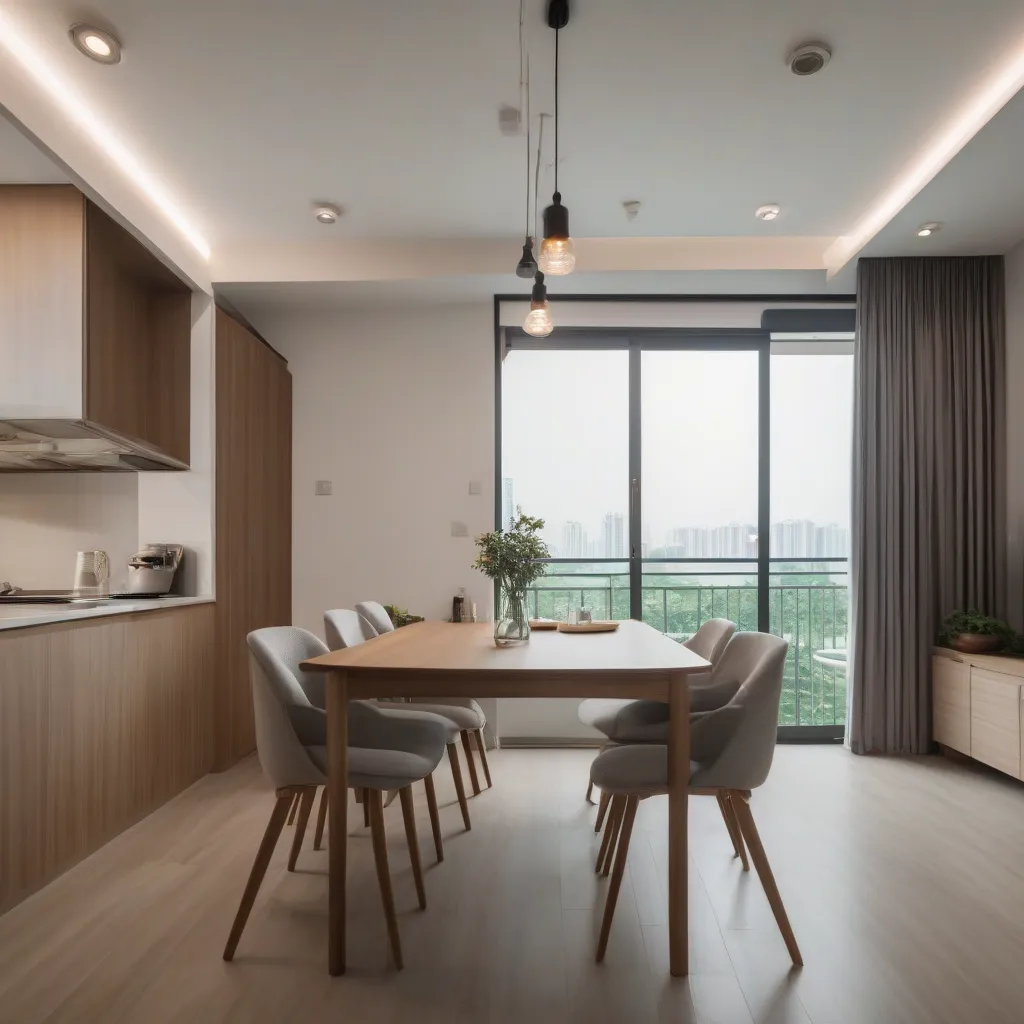
How Open-Concept Kitchens Changed the Way We Choose Dining Furniture
If your kitchen opens straight into the dining area, that table is on show all day, not just at mealtimes. Here's what actually changes about what you should buy.
7 April 2026