
Why Warm Wood Tones Are Back in Singapore Homes
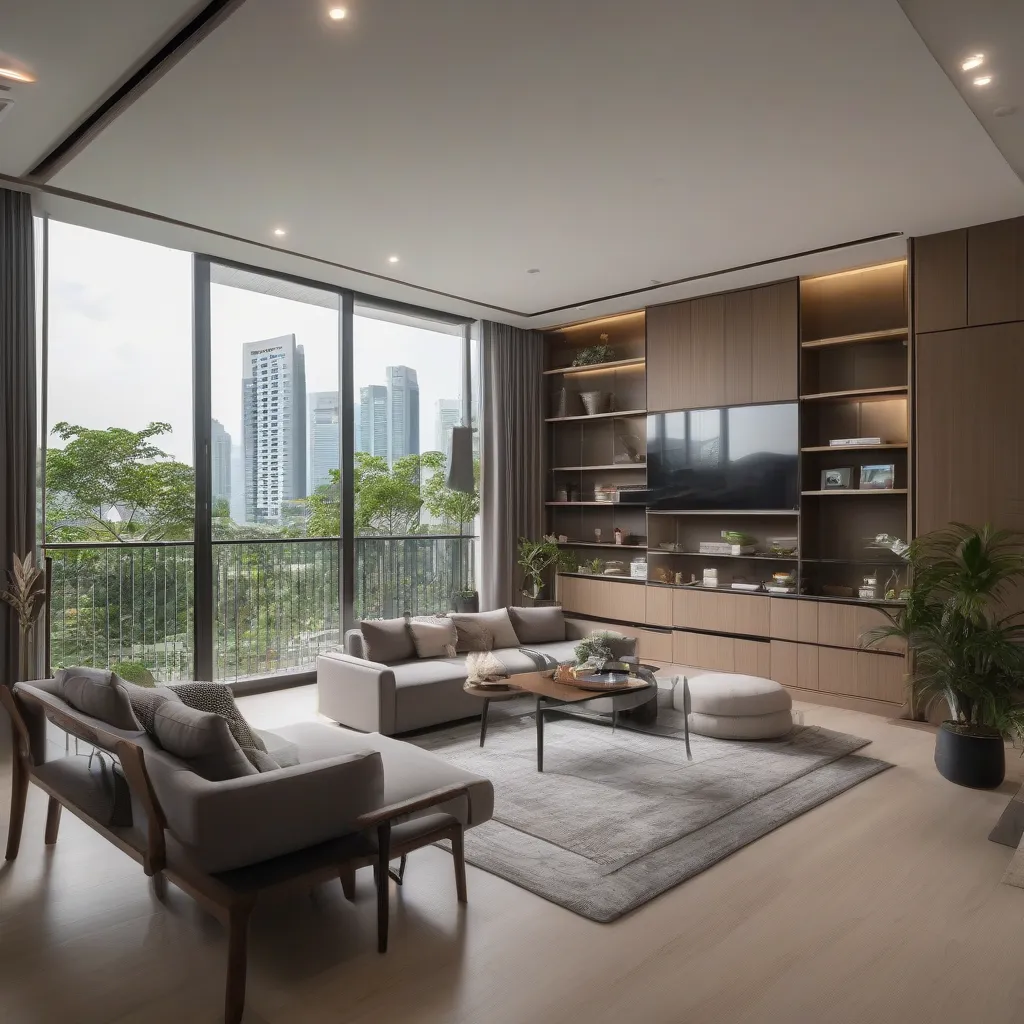
From Cool Minimalism Back to Warmth
For a good stretch of years, many Singapore homes leaned heavily toward cool, almost clinical palettes: white cabinetry, grey flooring, black accents, and pale, washed-out wood finishes. That look photographed beautifully, but it often felt sterile to actually live in day after day. Lately, warmer wood tones, honey oak, walnut, teak, and rich caramel finishes, have been steadily reclaiming space in living rooms, bedrooms, and dining areas across the island.
Why the Shift Is Happening Now
Part of it is simply a natural design cycle. After years of stark minimalism, warmth and texture start to feel fresh again by comparison. But there's a more practical reason too. Singapore homes spend a lot of time under air conditioning and artificial lighting, and cool-toned interiors can amplify that slightly clinical, closed-in feeling. Warm wood gives a room something to balance against. It reads as inviting and grounded even in a fully air-conditioned, windowless room, which matters in a country where natural daylight indoors is often limited by dense housing layouts.
There's also a growing appreciation for materials that feel tactile and genuine rather than uniformly flat. Warm wood grain carries natural variation, and that imperfection is exactly what makes a room feel lived-in rather than showroom-staged.
How to Bring Warm Wood Into Your Home Without Overdoing It
Anchor with one dominant tone
Pick a primary wood tone, say a mid-toned oak or a deeper walnut, for your largest pieces, like your dining table or bed frame, and let smaller accent pieces vary a little around it. Mixing too many distinctly different wood tones in one room can end up looking accidental rather than intentional.
Pair warmth with a few cool or neutral elements
Warm wood works best when it has something to contrast against: a matte black light fixture, a cool grey sofa, or white walls. Without any contrast, an all-wood room can start to feel heavy rather than cosy.
Let texture do some of the work
Pairing wood furniture with woven rattan, linen upholstery, or textured ceramics reinforces that natural, warm feeling without needing to pile on more wood pieces than your room can actually hold.
What to Check Before You Buy Wood Furniture in Singapore
Not every wood tone on the market is solid timber. Many pieces use a wood veneer or a printed finish over engineered board to reach the same colour at a more accessible price. Both can work well, but they behave differently over time. Solid wood ages gracefully and can often be lightly sanded and refinished if it gets scratched. Veneer finishes need more careful handling, since damage to the surface layer is harder to repair.
Singapore's humidity is also worth factoring into your choice. Wood pieces do best with steady airflow and moderate humidity control, so avoid placing solid wood furniture directly against damp walls or in rooms with poor ventilation, since prolonged moisture exposure can cause warping over the years.
Matching Tones Across a Room Takes a Trained Eye
Because warm wood tones vary so much between suppliers, and even between batches of the same timber, it's genuinely hard to judge an exact match from an online photo. What one retailer calls 'walnut' might look noticeably more orange or more grey than what you already have at home.
See the Tones in Person
At Nova Furnishing, our showroom displays a range of warm wood finishes side by side, which makes it much easier to find a tone that genuinely complements what's already in your home. Visit us to compare finishes under natural light before deciding, rather than relying on a screen to make the call for you.
Related Articles
Why the Best Furniture Is the Kind You Stop Noticing
Understated, well-fitted furniture often serves a home better than statement pieces do. Here's why, and how to choose it for Singapore living.
9 April 2026
Does Paint Colour Really Make a Room Look Bigger? What the Science Says
The real reason light paint can make a room feel bigger, and why contrast, ceiling colour and sightlines matter more than the shade itself.
8 April 2026
Textured Fabrics and Fluted Wood: The Design Details Trending Now
Bouclé, corduroy and fluted wood grooves keep turning up together in showrooms lately. Here's why both are trending, and how to bring a bit of each into a Singapore home without overdoing it.
7 April 2026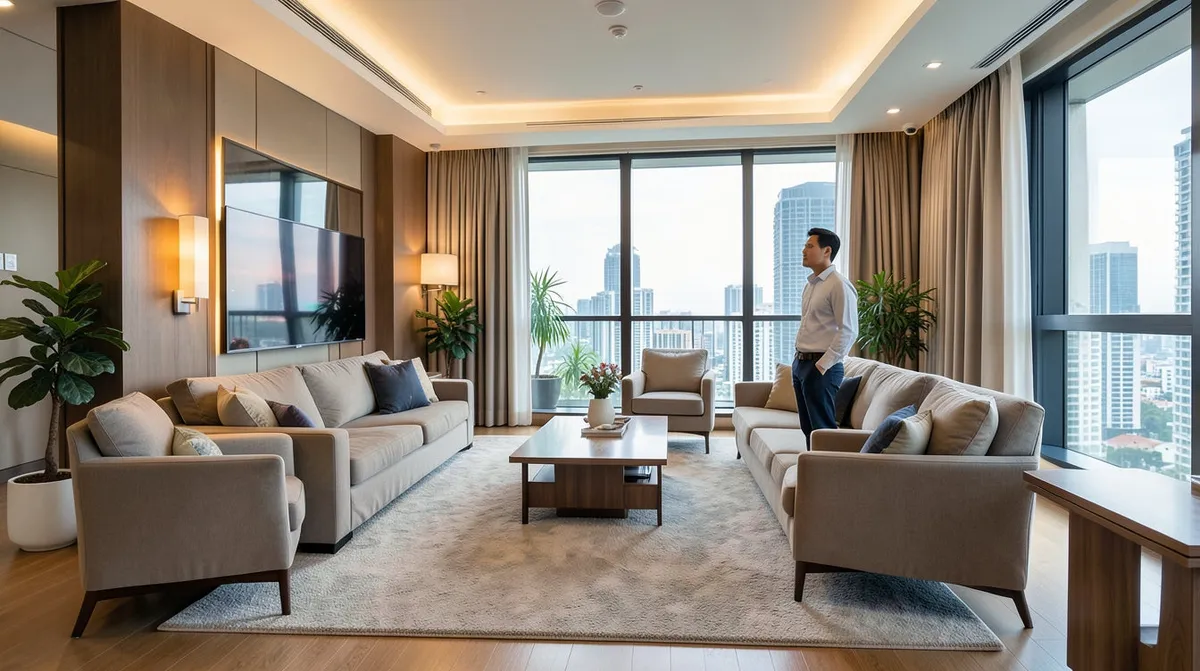
Why Custom Furniture Is Growing in Popularity Among Singapore Homeowners
More Singapore homeowners are turning to custom furniture for awkward layouts and storage that off the shelf pieces can't solve, though ready made still wins out in plenty of cases.
7 April 2026