
Why Ventilation Matters More Than You Think for Furniture Longevity
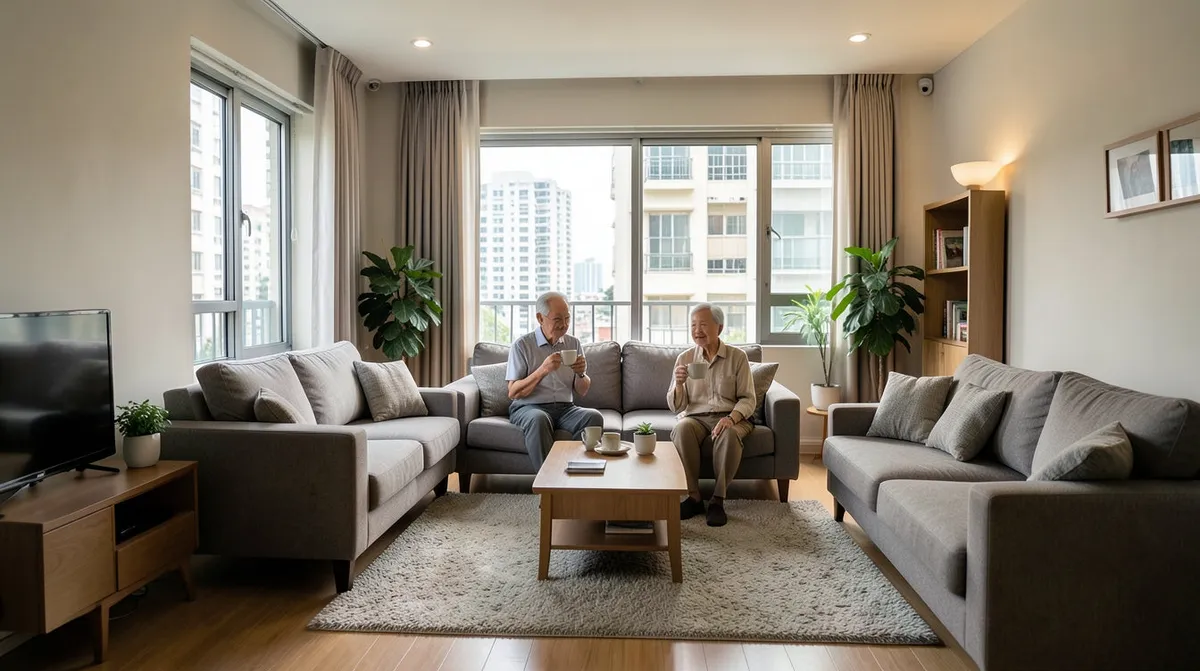
The Invisible Factor That Ages Furniture Faster
Most furniture damage in Singapore homes has less to do with rough use and more to do with moisture that never quite goes away. Our tropical humidity hangs in the air all year, and without decent airflow around a piece of furniture, that moisture works its way into wood, fabric, and leather in ways that shorten a piece's life well before normal wear and tear would.
How Poor Ventilation Damages Different Materials
Wood
Wood absorbs moisture from humid air and releases it again as conditions change. Furniture pushed flush against a wall, especially an exterior wall that gets less airflow, can trap humidity against its back panel, which encourages warping, swollen joints, or a musty smell over time.
Fabric Upholstery
Fabric sofas and cushions that don't get airflow underneath or behind them can develop a persistent damp smell, and in worse cases, mould or mildew spots, especially in corners of a room with limited air movement, or against a wall that faces the rain.
Leather
Leather needs a small amount of ambient moisture to stay supple, but stagnant, overly humid air combined with poor airflow creates a different problem: trapped moisture that weakens the leather's surface, followed by faster cracking once it eventually dries out unevenly.
Practical Ventilation Habits for Your Home
- Leave a small gap behind furniture. A few centimetres of clearance between a wardrobe, sofa, or bed frame and the wall lets air circulate and stops moisture from getting trapped against one surface.
- Avoid tucking furniture into unventilated corners. Corners near bathrooms, kitchens, or windows that don't open are often the most humid spots in a home.
- Run a fan or open windows now and then. Even short bursts of moving air help push out trapped humidity, especially in rooms that stay closed most of the day.
- Use a dehumidifier in problem rooms. Bedrooms and storerooms with little natural airflow benefit the most from a dehumidifier running periodically, particularly in the wetter months.
- Don't overload storage furniture. Packed wardrobes and cabinets restrict internal air circulation, which can trap moisture around stored items and the furniture itself.
Watch for These Early Warning Signs
Catching a ventilation problem early makes a real difference, since most of this damage is far easier to prevent than to undo. Worth checking for periodically: a faint musty smell that lingers even after cleaning, small dark spots forming on fabric or in wood joints, a chalky or slightly stiff feel developing on leather, or a wardrobe door that suddenly sticks or feels tighter than before, often a sign the wood has swollen a little from trapped moisture.
The Monsoon Season Needs Extra Attention
Singapore's wetter months bring longer stretches of high humidity, and furniture near windows or exterior walls feels it the most. During these periods, it's worth increasing your airflow checks: run a dehumidifier a bit more often, keep windows closed during heavy rain so damp air doesn't blow in, and check furniture backs and undersides more often than you would during drier stretches of the year.
Placement Matters as Much as Product Choice
Even well made furniture ages faster in a poorly ventilated spot. Before deciding exactly where a new piece will sit, think about airflow the same way you'd think about sunlight. A spot that traps heat and moisture will shorten the life of almost any material, no matter how well it was built.
Our team at Nova Furnishing can advise on materials and finishes that suit less ventilated corners of your home if moving the piece isn't an option. Visit a showroom or reach out on WhatsApp, and we'll help you plan furniture placement that keeps your pieces looking good for years.
Related Articles
Heavy Furniture on Hardwood Floors: Myths and Real Solutions
A closer look at common myths about heavy furniture and hardwood floors, with practical ways Singapore homeowners can actually protect their flooring.
8 April 2026
What to Know About Sustainable Furniture Before You Buy
Sustainable sounds good on a label, but in Singapore's climate it only means something if the piece is also built to survive here. Here's what to actually check on durability, sourcing, and construction before you buy.
2 April 2026
Quick Fixes for Minor Wood Furniture Scratches You Can Do at Home
A few simple, low-risk ways to touch up light scratches on wood furniture yourself, and the signs that tell you it's time to call in a professional instead.
27 March 2026
The Best Way to Clean Under Heavy Furniture Without Moving It
You do not need to shift the wardrobe to clean under it. Here is how to keep that gap dust free in a humid Singapore home using the right reach tools instead.
27 March 2026