
Why Humidity Is Ruining Your Home: An Expert Guide to Furniture for Humid Climates
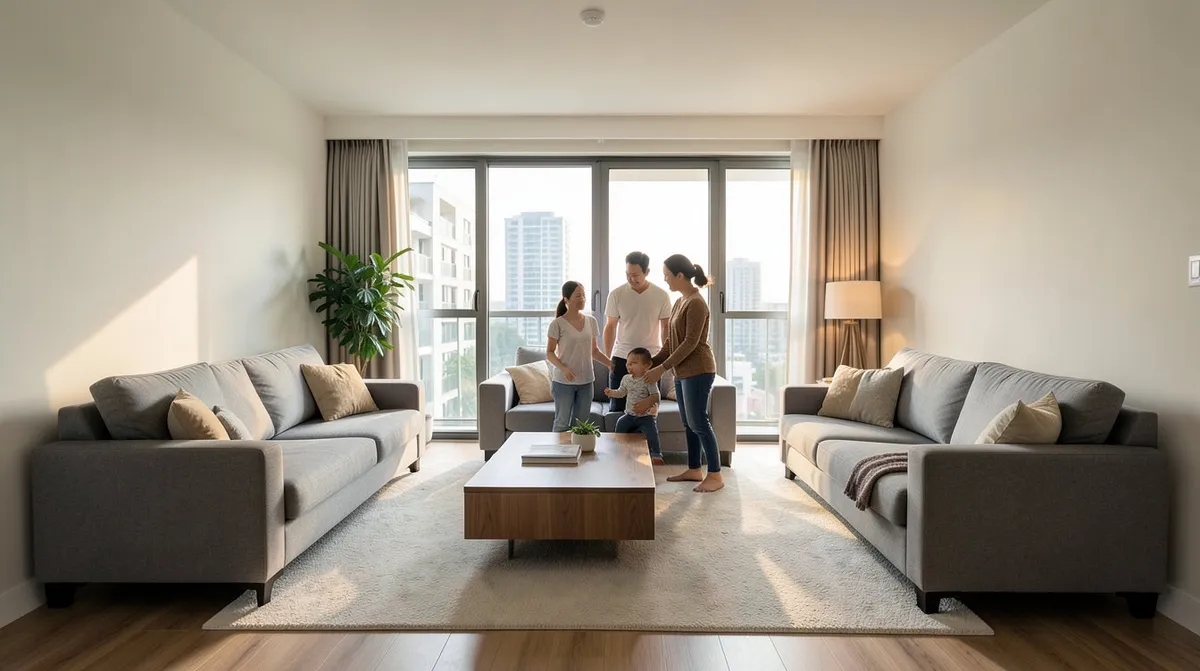
Designing a home in a high humidity place like Singapore is its own kind of challenge. We love the tropical climate, but the constant moisture in the air quietly works against our interiors.
Beyond the discomfort, high humidity is a genuine threat to your furniture and other belongings. It's no surprise that many Singapore homes deal with mould issues, and the risk only grows during the rainy season.
Choosing the right materials is the best way to protect your home and your investment. This guide walks through the most durable furniture materials for high humidity, so you can pick something built to last.
The Challenge of Humidity: Why Materials Matter
Humidity can damage almost every material in your home. Wood swells and warps, which ruins its structural integrity. Fabric grows mildew and mould, which leads to unpleasant odours and hygiene concerns. Even metal can rust or corrode under high humidity, weakening frames and supports you'd expect to last for years.
The lesson here is simple: choosing stable, non-porous materials is your first line of defence against humidity damage. Furniture built with humidity resistance in mind can save you real money on repairs and replacements down the line.
What are the Best Humidity-Resistant Materials for Furniture?
Here are some of the best materials for indoor furniture in a tropical, humid climate:
1. Solid Wood: Timeless Durability
High-quality, dense hardwoods offer the best resistance to the dimensional changes humidity causes. All wood needs some care, but these hardwoods hold up better than most:
Teak
Teak's natural oil content makes it highly resistant to moisture, rot, and insect damage. It's a premium choice known for weathering conditions beautifully, even indoors.
Mahogany
Mahogany is prized for its dimensional stability, meaning it's less likely to swell or warp significantly as humidity changes than softer woods.
Oak
Oak is strong, dense, and durable, making it a reliable choice for humid indoor settings, as long as it's properly finished with a good varnish, lacquer, or sealant.
2. Engineered Wood: Affordable Alternatives
Engineered woods are often more affordable, but they need high-quality sealing and finishing to survive humidity, since their cores can be vulnerable to moisture damage. Here are two common types that work well for indoor furniture in humid climates:
Plywood
The layered construction and strong adhesives in marine-grade or quality plywood make it more stable and less prone to warping than solid softwoods.
Medium-Density Fibreboard (MDF)
MDF is economical, but it's prone to swelling if water gets past the veneer, so flawless surface sealing really is essential for it to survive in humid areas.
3. Rust-Resistant Metal
Certain metals are also good choices for humid climates, as long as they resist corrosion. Caring for metal furniture is usually easy too, often just a simple wipe-down. Here are some of the best metal options to look for:
Stainless Steel
Stainless steel offers strong corrosion resistance, which makes it ideal for support structures and accents in humid climates.
Aluminium
Aluminium is lightweight, naturally rust-proof, and needs very little maintenance, making it a good fit for modern table or bed frames.
Wrought Iron
Wrought iron is highly durable but needs a good powder-coated finish to prevent rust in humid environments.
4. Rattan and Wicker
The light, airy feel of rattan and wicker is popular right now with Bohemian and Jandi interior design styles, but it's worth understanding the difference between natural and synthetic options in high humidity.
Synthetic Rattan (PE/Polyethene)
We recommend synthetic rattan because it's fully waterproof, easy to clean, and completely resistant to mould and decay, with excellent durability. It's usually made from a durable plastic polymer, like PE or polyethene, woven over an aluminium or steel frame.
Natural Rattan (Cane/Wicker)
If you prefer natural materials, know that natural rattan or wicker needs good ventilation and proper sealing to prevent mould, and it's best used in well-ventilated areas or covered spaces.
5. Plastic and Resin
These materials are practical because they're non-porous, humidity-resistant, and immune to mould and moisture absorption. Here are two types that work well for indoor furniture in humid climates:
High-Density Polyethene (HDPE)
HDPE is durable, completely waterproof, and immune to decay, which makes it suitable for harsh environments and areas with frequent spills.
Polypropylene (PP)
Polypropylene is a lightweight, common plastic used in modern furniture, valued for its moisture resistance and easy upkeep.
6. Fabrics
Upholstery selection matters just as much, since porous fabrics can hold onto moisture and encourage mildew growth. Knowing which materials hold up best for upholstered furniture is genuinely useful. Here are some solid options:
Synthetic Blends (Polyester/Acrylic)
These blends dry quickly, are often stain-resistant, and are less hospitable to mildew than natural fibres, which makes them a good fit for living room sets and bedroom sets.
High-Performance Fabric (Microfibre)
High-performance fabrics are known for their tight weave, durability, and moisture-wicking properties, giving them strong resistance to humidity. That makes them a great fit for high-traffic areas and family homes with pets and children.
7. Glass and Stone
These hard, non-porous surfaces naturally resist humidity and offer stable support, making them some of the best indoor furniture options for humid climates:
Marble and Granite
These natural stones are highly stable and cool to the touch. That said, they need proper professional sealing to prevent surface staining, since they're porous at the microscopic level.
Tempered Glass
Tempered glass is entirely moisture-proof, easy to clean, and works well for tabletops, adding an airy, light feel to humid spaces. Just be careful to protect the edges from chipping and avoid heavy impact.
Find Humidity-Resistant Furniture at Nova Furnishing
Choosing the right materials is the clearest way to protect your furniture in humid climates and avoid the headaches of mould and warping.
At Nova Furnishing, we offer a thoughtfully chosen selection of solid wood, stainless steel, and high-performance upholstered furniture built for durability in challenging conditions. We focus on solid construction and materials that hold up. Come explore our collections today.
Related Articles
Heavy Furniture on Hardwood Floors: Myths and Real Solutions
A closer look at common myths about heavy furniture and hardwood floors, with practical ways Singapore homeowners can actually protect their flooring.
8 April 2026
What to Know About Sustainable Furniture Before You Buy
Sustainable sounds good on a label, but in Singapore's climate it only means something if the piece is also built to survive here. Here's what to actually check on durability, sourcing, and construction before you buy.
2 April 2026
Quick Fixes for Minor Wood Furniture Scratches You Can Do at Home
A few simple, low-risk ways to touch up light scratches on wood furniture yourself, and the signs that tell you it's time to call in a professional instead.
27 March 2026
The Best Way to Clean Under Heavy Furniture Without Moving It
You do not need to shift the wardrobe to clean under it. Here is how to keep that gap dust free in a humid Singapore home using the right reach tools instead.
27 March 2026