
The Real Lifespan of Furniture Materials in Singapore's Tropical Climate
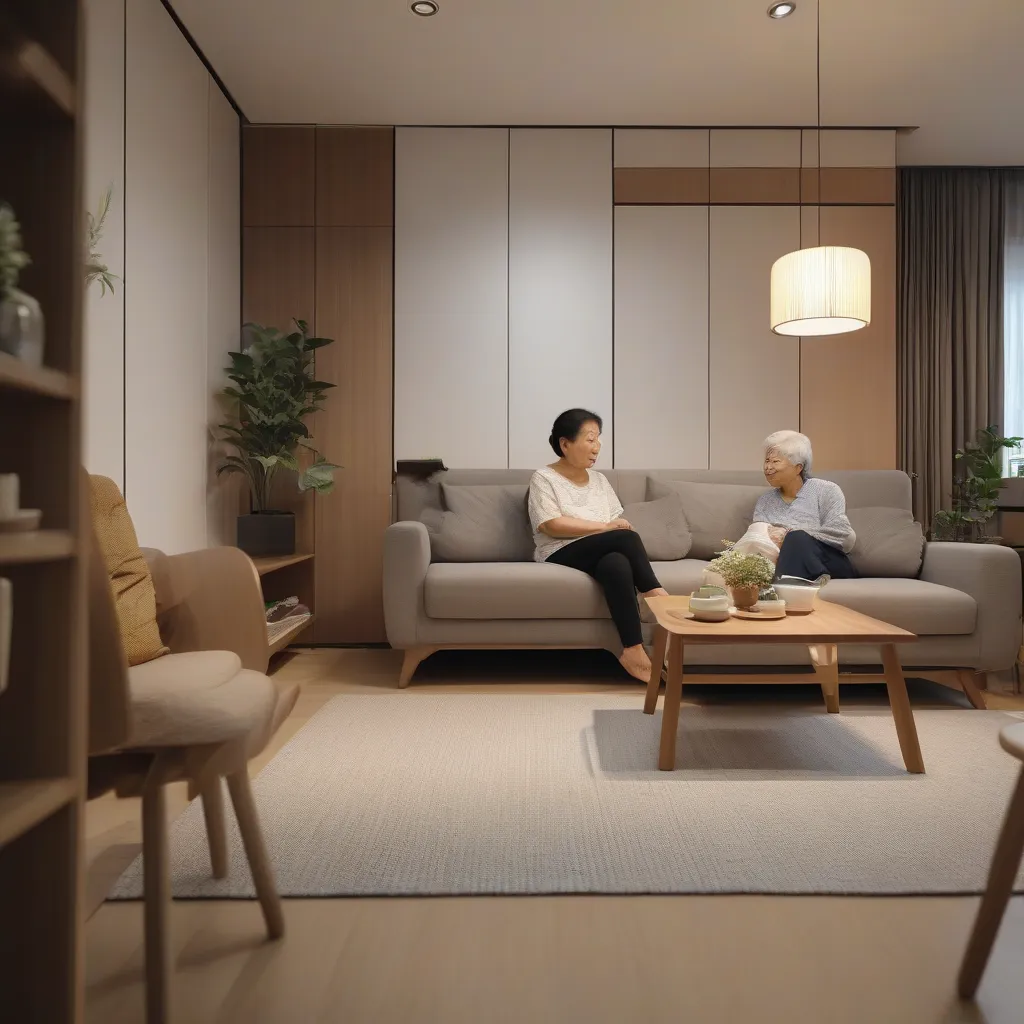
Picture two identical rattan lounge chairs, bought on the same day. One sits in a shaded, air-conditioned bedroom. The other stays out on an open balcony that catches afternoon sun and the occasional rain squall. Five years on, the bedroom chair still flexes and creaks gently the way rattan is supposed to. The balcony chair has gone brittle, with fibres cracking at the joints. Same material, same batch, completely different lifespan, because in Singapore, climate decides how long furniture lasts more than the price tag ever will.
Solid Wood: Moves, But Recovers
Solid timber pieces like teak, oak, or acacia expand and contract slightly as humidity shifts between wetter and drier months. That's normal, not a fault. Well-dried solid wood with a proper finish can easily serve two to three decades or more in a Singapore home, as long as it isn't parked directly under an air-con vent that dries out one side of the piece faster than the other, since that's what eventually causes warping. Solid wood is one of the more forgiving materials for our climate because it absorbs and releases moisture without lasting harm, unlike some engineered alternatives.
Engineered Wood and Veneers: Shorter, More Variable
Plywood, MDF, and veneered panels turn up constantly in wardrobes, TV consoles, and shelving because they're stable and cheap to produce. In a room that stays air-conditioned, they can last well past a decade. But sustained humidity, especially in store rooms, utility areas, or homes where the air-con only runs in the evening, can weaken the glue layers over time, leading to swollen edges or veneer that lifts and bubbles. In humid, non-air-conditioned spaces, lower-grade engineered pieces often don't come close to matching an equivalent solid timber piece for lifespan.
Rattan and Wicker: High Reward, High Upkeep
Natural rattan looks and feels lovely in a tropical home, but it's one of the more climate-sensitive materials you can buy. Left in direct sun or exposed to rain on a balcony, it dries out, turns brittle, and can crack within a few years. Kept indoors away from direct sun, and oiled or waxed now and then to put moisture back into the fibres, rattan furniture can stay sturdy and comfortable for well over a decade. The gap in lifespan here comes down almost entirely to placement and care, not the quality of the weave itself.
Leather: Ruled by Air-Conditioning Habits
Genuine leather sofas age beautifully in stable, air-conditioned rooms, building up a patina that can last fifteen years or more with the odd bit of conditioning. Without steady air-con, leather in our humidity tends to feel sticky, picks up mould along the seams sooner, and can dry out and crack when the air-con gets switched on and off unevenly through the day. If your household mostly runs air-con at night, it's worth factoring that in before choosing leather for a living room that gets heavy daytime use.
Fabric Upholstery: The Mould Risk Nobody Mentions
Fabric sofas are breathable and comfortable against skin, which suits our climate well, but that same breathability lets moisture soak into the cushion foam and frame. In humid, poorly ventilated rooms, this can lead to musty odours or hidden mould spots inside the cushions well before the fabric on the outside looks worn, sometimes within a few years rather than a decade. Removable, washable covers and decent airflow stretch this out considerably.
Metal, Glass and Stone: The Quiet Exceptions
Powder-coated metal frames, tempered glass tops, and engineered or natural stone surfaces are far less bothered by humidity swings than timber or fabric, which is why they show up so often in dining tables and side tables meant to last. The main risk in a coastal or high-airflow unit is metal fittings corroding faintly at the joints after many years, or condensation forming on glass and stone when the air-con cycles on and off sharply. Wiping surfaces dry instead of letting moisture sit is usually all it takes to avoid real trouble.
What This Means When You Are Buying
The honest takeaway is that material choice should follow your room's conditions, not the other way round. A naturally ventilated balcony or corridor calls for different materials than a fully air-conditioned bedroom, and a piece that thrives in one part of your home might struggle just a few metres away in another. When you visit Nova Furnishing, it's worth telling our team exactly where in your home a piece will sit. The answer often changes which material genuinely makes sense, and how long it will actually serve your family.
Related Articles
Heavy Furniture on Hardwood Floors: Myths and Real Solutions
A closer look at common myths about heavy furniture and hardwood floors, with practical ways Singapore homeowners can actually protect their flooring.
8 April 2026 · 4 min read
What to Know About Sustainable Furniture Before You Buy
Sustainable sounds good on a label, but in Singapore's climate it only means something if the piece is also built to survive here. Here's what to actually check on durability, sourcing, and construction before you buy.
2 April 2026 · 3 min read
Quick Fixes for Minor Wood Furniture Scratches You Can Do at Home
A few simple, low-risk ways to touch up light scratches on wood furniture yourself, and the signs that tell you it's time to call in a professional instead.
27 March 2026 · 3 min read
The Best Way to Clean Under Heavy Furniture Without Moving It
You do not need to shift the wardrobe to clean under it. Here is how to keep that gap dust free in a humid Singapore home using the right reach tools instead.
27 March 2026 · 3 min read