
How to Remove Stains From a Dining Table Without Damaging the Surface
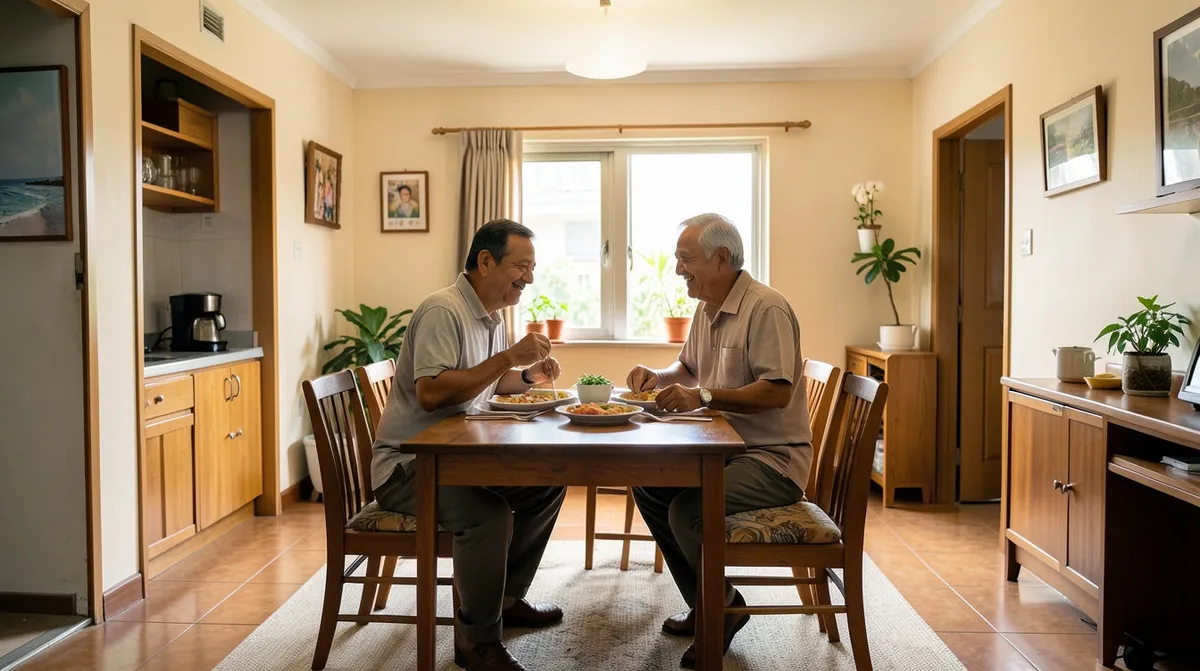
Know Your Surface Before You Reach for Any Cleaner
The most important step in lifting a stain safely is figuring out exactly what you are cleaning, because the wrong product on the wrong material can turn a small mark into a permanent one. Solid wood, laminate, glass, and stone-effect tops all react differently to cleaning methods, so it pays to pause for a moment before grabbing whatever is under the sink.
Fresh Stains: Move Quickly, But Gently
Whatever the surface, your best first move on a fresh spill is to blot it, not wipe it, with a clean dry cloth to soak up as much liquid as you can before it sets into the finish. Wiping tends to spread a stain outward or push it into pores and seams, which is especially risky with wood.
Wood Dining Tables
- Water rings and heat marks often lift with a mix of equal parts white vinegar and olive oil, rubbed in with a soft cloth along the grain and then wiped away. Test on a hidden edge first, just in case.
- Oil-based stains like cooking oil or sauce respond well to a light dusting of cornstarch or baking soda left to soak up the oil for a few hours before you brush it off.
- Ink or dye stains are the hardest to shift on wood and usually call for a proper wood cleaner rather than a home remedy, since scrubbing too hard can take the finish off along with the stain.
- Never leave wood sitting in water at any stage. Standing moisture can work its way into seams and joints, which is a real risk given how humid Singapore gets.
Laminate and Veneer Tables
Laminate tends to be more forgiving than solid wood, but it can still scratch or discolour if you are not careful.
- A soft cloth with a mild dish soap solution handles most everyday stains. Skip anything abrasive that could scuff the protective layer.
- For stubborn marks, a small amount of baking soda paste, applied gently and wiped clean, usually lifts residue without scratching the surface.
- Steer clear of steel wool, scouring pads, or bleach-based cleaners. They can dull or discolour laminate for good.
Glass Dining Tables
- A simple mix of water and a splash of white vinegar in a spray bottle clears most stains and smudges without leaving streaks.
- Reach for a microfibre cloth instead of paper towels, which can leave lint or fine scratches after repeated use.
- For dried-on food, soften it first with a warm damp cloth left in place for a minute, rather than scraping directly at the glass.
Marble and Stone-Effect Surfaces
These are more porous than they look and can stain if liquid sits on them too long, especially acidic spills like citrus juice or wine.
- Wipe up spills right away. Staining can set into stone within minutes.
- Use a pH-neutral cleaner made specifically for stone rather than a general household cleaner, which can etch the surface over time.
- Skip vinegar-based solutions on marble in particular. The acidity can dull or damage it.
What to Avoid, No Matter the Material
Undiluted bleach, ammonia-based glass cleaners on wood or laminate, and anything abrasive like scouring powder all have no place on a dining table surface. They can strip finishes, discolour materials, or leave dull patches that stand out far more than the original stain ever did.
A Little Prevention Goes a Long Way
Placemats, coasters, and the habit of wiping up spills quickly will head off most stubborn stains before they even start. If a table's finish still looks worn despite careful cleaning, it may simply be due for a refresh rather than pointing to a deeper problem.
If you are ever unsure how to treat a stain or a surface, our team at Nova Furnishing is happy to help, or to point you toward a replacement table with a finish better suited to daily family meals. Drop by a showroom or message us on WhatsApp with a photo of the stain and we'll steer you in the right direction.
Related Articles

Heavy Furniture on Hardwood Floors: Myths and Real Solutions
A closer look at common myths about heavy furniture and hardwood floors, with practical ways Singapore homeowners can actually protect their flooring.
8 April 2026 · 4 min read
What to Know About Sustainable Furniture Before You Buy
Sustainable sounds good on a label, but in Singapore's climate it only means something if the piece is also built to survive here. Here's what to actually check on durability, sourcing, and construction before you buy.
2 April 2026 · 3 min read
Quick Fixes for Minor Wood Furniture Scratches You Can Do at Home
A few simple, low-risk ways to touch up light scratches on wood furniture yourself, and the signs that tell you it's time to call in a professional instead.
27 March 2026 · 3 min read
The Best Way to Clean Under Heavy Furniture Without Moving It
You do not need to shift the wardrobe to clean under it. Here is how to keep that gap dust free in a humid Singapore home using the right reach tools instead.
27 March 2026 · 3 min read