
How to Choose The Perfect Colour Palette for Your Home
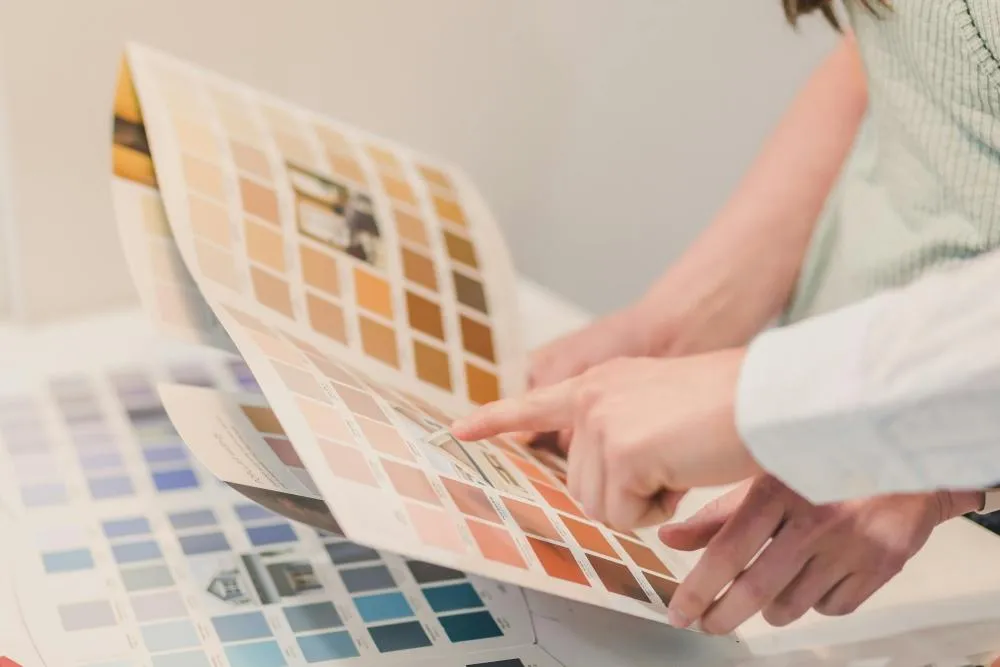
Colour does a lot of quiet work in a home. It sets the mood before anyone even sits down, and it's what pulls a room together or makes it feel scattered. Choosing a palette thoughtfully means you end up with a space that feels calm and cohesive, and still unmistakably yours. This guide walks through a couple of classic colour schemes, then some practical ways to test and adjust your shades before you commit to paint or furniture, so the room you end up with actually matches the one in your head.
Exploring Colour Schemes
A colour scheme gives you a framework to work from, so your choices feel put-together rather than random. Here are two worth considering:
Monochromatic Schemes
A monochromatic scheme uses different shades of a single colour, and it tends to look elegant and calm without much effort. The risk is that it can go flat if you stop at just the colour. Bring in texture and a few contrasting accents to keep it interesting: layer different fabrics and finishes within the same colour family for depth, or add a metal or wood accent for a bit of contrast.
Complementary Schemes
A complementary scheme pairs colours that sit opposite each other on the colour wheel, blue and orange, or red and green. Done well, it gives a room real energy and a bit of drama. The trick is balance: pick one colour to lead and use the other only as an accent, otherwise the contrast can tip into overwhelming rather than lively.
Practical Tips for Choosing Your Palette
A few things that help once you're ready to settle on a scheme:
Start with a Favourite Colour
A good starting point is a colour you already love. Build the rest of the palette around it using different hues, shades, and tones of that same colour. If you're worried about it becoming too much, balance it out with neutrals or a complementary colour instead.
Consider the Room's Function
What a room is for should guide the colours you choose, since different colours put people in different moods. Soft greens and browns suit a bedroom well, since they help you wind down. A living room can usually handle more energy, so yellows and reds work there in a way they wouldn't in a room meant for sleeping.
Test and Adjust Your Palette
Test your shades before you commit to them. Paint a small section of wall, or hold up swatches, and look at them properly rather than deciding from a paint chip alone.
Keep in mind that natural light changes through the day, so a colour that looks right at noon might look completely different by evening. Be ready to adjust your paint or furniture choices once you've actually lived with a colour for a bit, not just seen it under one kind of light.
Bringing It All Together With Your Furniture
Once you've settled on a palette, think about how your furniture, accents, and accessories sit against it. A statement sofa can anchor a room either way: matched to your main colour for something cohesive, or set against it for a bit of visual contrast.
Take the time to try a few combinations and picture how they'll actually look in your space. Nova Furnishing's range of furniture is there to help bring whatever palette you land on to life, from living room pieces to bedroom furniture, so the whole home ends up feeling as good as it looks.
Choosing a colour palette should be an enjoyable, creative process, not a stressful one. Think about lighting, mood, furniture, and your own taste, and you'll end up with a home that actually feels like yours.
Related Articles
Why the Best Furniture Is the Kind You Stop Noticing
Understated, well-fitted furniture often serves a home better than statement pieces do. Here's why, and how to choose it for Singapore living.
9 April 2026
Does Paint Colour Really Make a Room Look Bigger? What the Science Says
The real reason light paint can make a room feel bigger, and why contrast, ceiling colour and sightlines matter more than the shade itself.
8 April 2026
Textured Fabrics and Fluted Wood: The Design Details Trending Now
Bouclé, corduroy and fluted wood grooves keep turning up together in showrooms lately. Here's why both are trending, and how to bring a bit of each into a Singapore home without overdoing it.
7 April 2026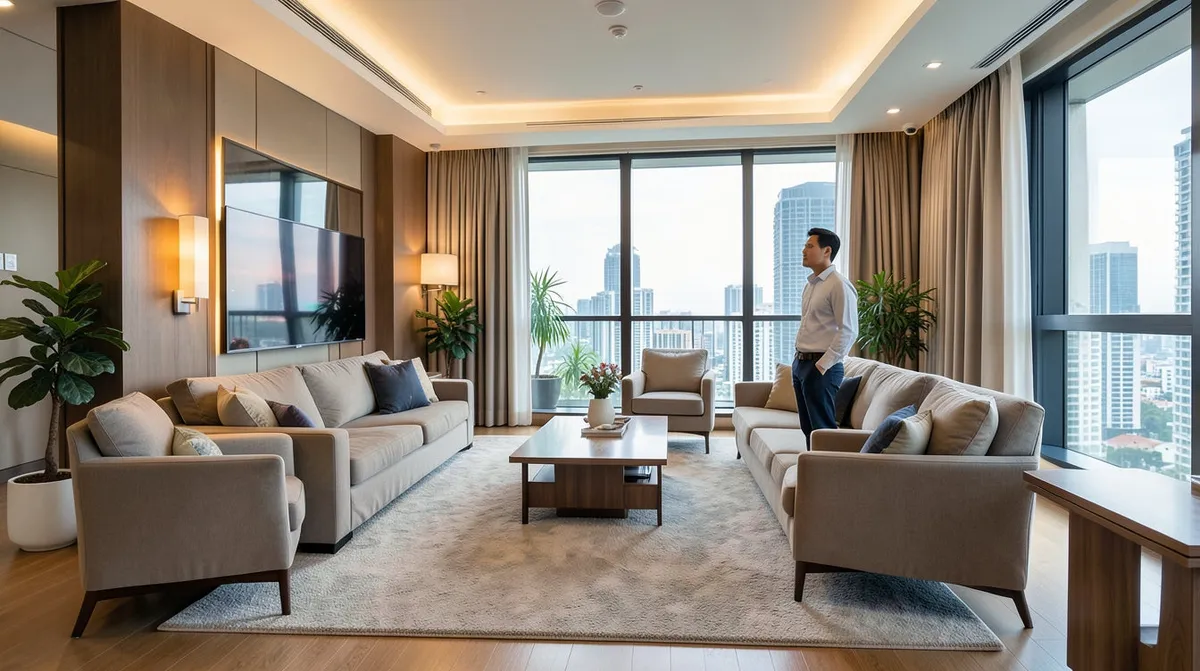
Why Custom Furniture Is Growing in Popularity Among Singapore Homeowners
More Singapore homeowners are turning to custom furniture for awkward layouts and storage that off the shelf pieces can't solve, though ready made still wins out in plenty of cases.
7 April 2026