
Earth Tones in Singapore Interiors: Building a Warm, Grounded Home
Why Earth Tones Suit Tropical Light
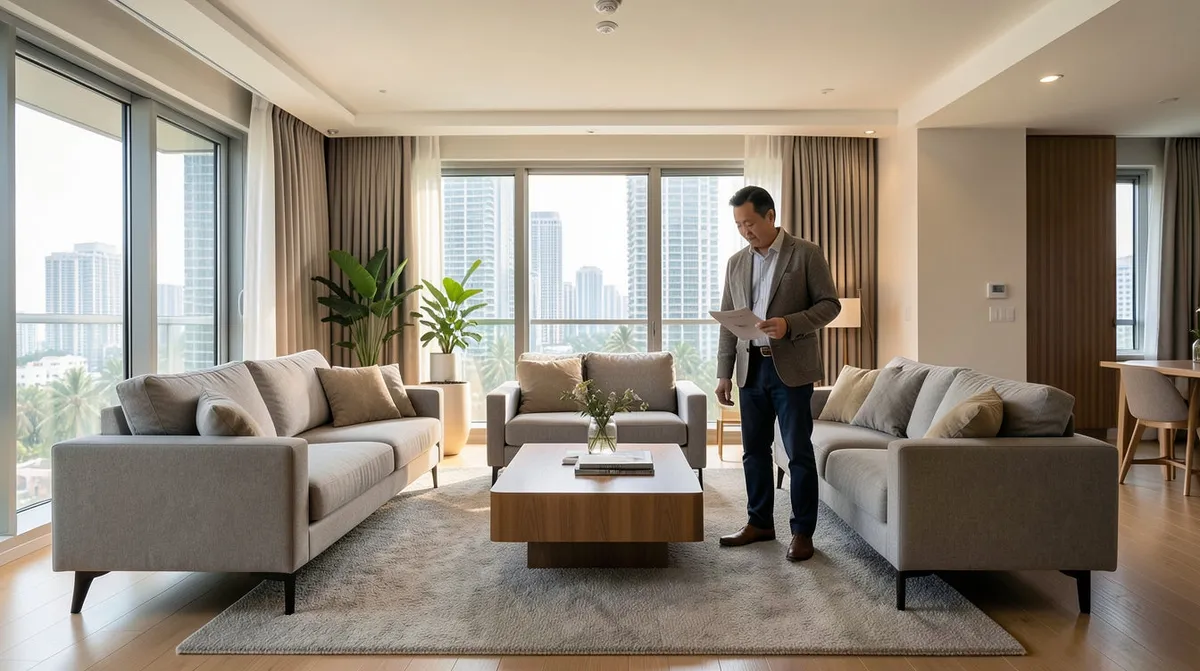
Singapore's daylight is bright and diffused in a way that behaves quite differently from the softer light of temperate countries, and that changes how colour reads indoors. Terracotta, olive, warm taupe, and umber, tones that can look muddy under grey skies elsewhere, tend to glow under our light instead, picking up warmth rather than falling flat. That alone explains a good part of why earth-toned interiors feel so at home here.
Building the Palette Without Making a Room Feel Smaller
The risk with earth tones in a compact HDB or condo unit is that too much depth of colour packed into a small footprint can make the walls feel closer than they really are. A few adjustments keep the warmth without the shrinking effect.
- Keep walls light, let furniture carry the tone: a soft white or warm off-white wall gives earth-toned furniture room to stand out instead of blending into a dark box.
- Anchor with one dominant piece: a terracotta or clay-toned sofa as the main feature reads as intentional, where scattering earth tones evenly across every surface tends to read as heavy.
- Layer in lighter neutrals: sand, cream, and bone tones on cushions, a rug, or a side chair keep the room from tipping too dark.
Pairing Materials That Do the Work
Earth tones rarely succeed on colour alone. They lean on texture and natural material to feel grounded instead of flat.
Wood and Rattan
Warm-toned wood finishes and woven rattan or cane sit naturally alongside earth-toned upholstery, since they share the same undertone family. It is one of the simplest ways to make a room feel coordinated without every piece matching exactly.
Boucle and Linen
Nubbly, matte textures like boucle and linen soften the visual weight of a darker colour, which keeps an earth-toned sofa from looking heavy in a smaller living room.
Metals as Accents
Warm brass or matte black hardware on lighting and door handles adds a touch of contrast, and keeps an all-natural palette from feeling flat or overly rustic.
Climate Considerations Before You Commit
Darker upholstery shows dust and watermarks from humidity more readily than lighter fabrics, particularly near windows or in rooms with less airflow. Ask about the fabric weave and any moisture-resistant treatment before choosing a deep earth tone for a large piece like a sofa, and lean toward washable or easily wiped finishes for dining furniture that sees daily use.
Common Mistakes With Earth Tones
The most frequent misstep is treating earth tones as one flat colour rather than a family of related shades. A room built entirely from a single exact terracotta, across the sofa, the curtains, and the cushions, can feel strangely uniform instead of rich. Mixing several tones within the same warm family, a rust-toned sofa with olive cushions and a sandy rug, for instance, tends to look far more layered and considered than matching everything to one shade.
The second common mistake is skipping any cool contrast at all. A room built entirely from warm browns, terracottas, and olives, with nothing to break it up, starts to feel heavy after a while, even when each individual piece is lovely on its own. A single cooler element, a slate grey cushion, a black-framed mirror, or a green plant, gives the eye somewhere to rest.
Layering Light for a Warm Finish
Earth tones respond well to warm-temperature lighting rather than cool white bulbs, which can leave the palette looking grey and lifeless after dark. A mix of ambient ceiling light, a warmer floor or table lamp, and a little accent lighting on a feature wall brings out the depth of the colour scheme once natural light is gone for the evening.
If you are building an earth-toned living room and want to see how the tones and textures actually sit together, visit a Nova Furnishing showroom. Seeing fabric and wood samples side by side under real light makes the decision far easier than browsing online alone.
Related Articles
Why the Best Furniture Is the Kind You Stop Noticing
Understated, well-fitted furniture often serves a home better than statement pieces do. Here's why, and how to choose it for Singapore living.
9 April 2026 · 3 min read
Does Paint Colour Really Make a Room Look Bigger? What the Science Says
The real reason light paint can make a room feel bigger, and why contrast, ceiling colour and sightlines matter more than the shade itself.
8 April 2026 · 4 min read
Textured Fabrics and Fluted Wood: The Design Details Trending Now
Bouclé, corduroy and fluted wood grooves keep turning up together in showrooms lately. Here's why both are trending, and how to bring a bit of each into a Singapore home without overdoing it.
7 April 2026 · 3 min read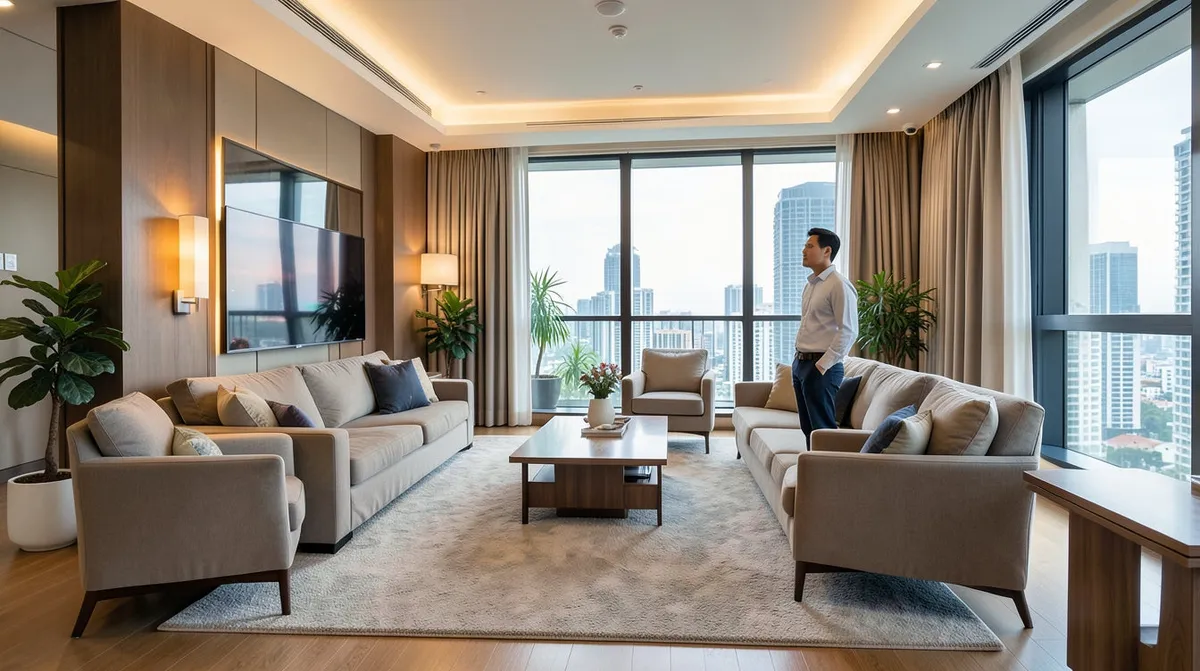
Why Custom Furniture Is Growing in Popularity Among Singapore Homeowners
More Singapore homeowners are turning to custom furniture for awkward layouts and storage that off the shelf pieces can't solve, though ready made still wins out in plenty of cases.
7 April 2026 · 4 min read