
Dark Wood vs Light Wood Furniture: How Tone Changes a Room's Feel
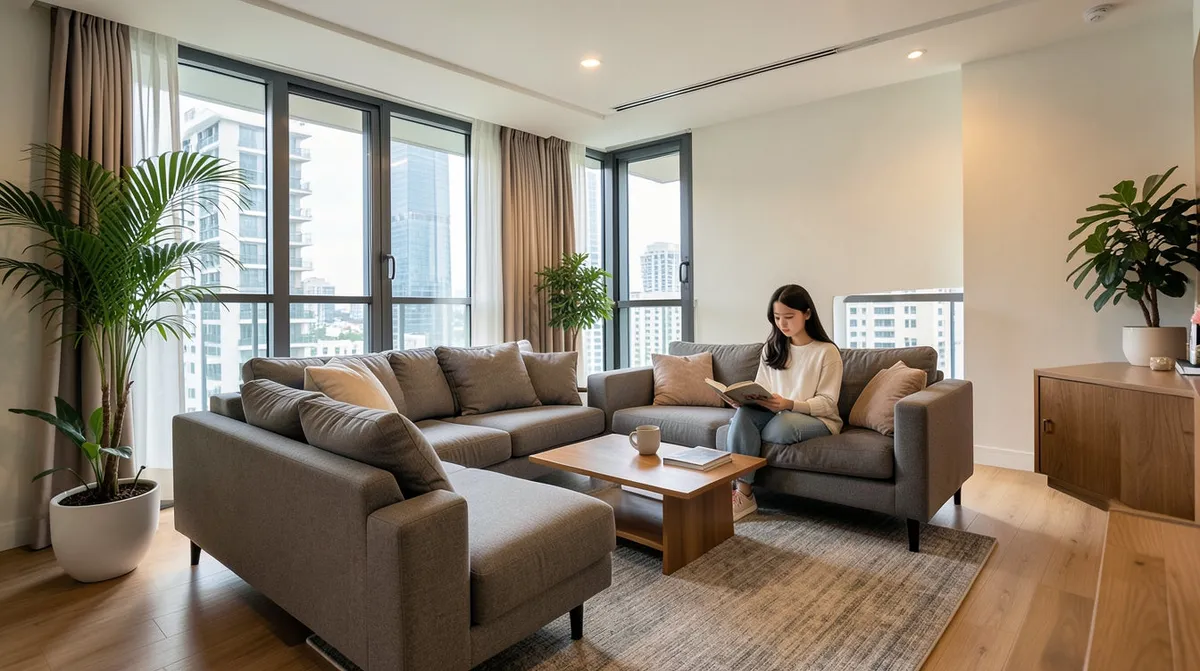
The Same Furniture, a Different Room Entirely
Swap a dark walnut dining table for a light oak one in the same room, and the whole space can feel different, even though nothing else has moved. Wood tone carries a surprising amount of visual weight, and choosing between dark and light isn't just about taste. It interacts directly with your room's size, lighting, and whatever finishes are already there.
What Light Wood Tones Do to a Room
Light woods, think pale oak, ash, or bleached finishes, reflect more light and create less contrast against typical white or light-coloured walls. That tends to make a room feel more open and airy, which helps a lot in smaller HDB bedrooms or living rooms that don't get much natural light. Light wood also leans more casual and Scandinavian in feel, and shows dust or small scratches a little less obviously on matte finishes.
What Dark Wood Tones Do to a Room
Dark woods, like walnut, dark oak, or espresso finishes, absorb more light and create stronger contrast. Done well, this reads as warm, grounded, and a bit more formal, and can make a large or high-ceilinged room feel cosier rather than cavernous. In a smaller room, though, too much dark wood can start to feel like the walls are closing in, especially paired with dark flooring or limited windows.
Matching Wood Tone to Your Existing Finishes
- Light flooring, common in many BTOs and condos: light or mid-tone wood furniture tends to blend in more naturally, while dark wood becomes a deliberate contrast point that can work well as a single statement piece.
- Grey or neutral tile flooring: both light and dark wood sit comfortably here, so the choice comes down more to the mood you're after.
- Warm-toned walls: these pair naturally with warm light woods like oak, while a cooler dark wood like walnut can look striking as an intentional contrast.
You Don't Have to Choose Just One
Mixing tones happens in a lot of well-designed rooms: a light wood floor with a dark dining table, say, or a light bed frame paired with dark bedside tables. The trick is keeping an intentional ratio rather than an even split. Let one tone lead the room and use the other as an accent, so the space doesn't end up feeling visually cut in half.
A Simple Rule of Thumb
If your room already feels dim or a bit boxed in, lean light. If it feels large, bright, or lacking in warmth, one or two dark wood pieces can anchor the space without taking it over.
Don't Forget Lighting Temperature
The colour temperature of your light bulbs changes how any wood tone reads, sometimes just as much as the wood choice itself. Warm-white bulbs bring out the richness in both light and dark woods, while cooler, bluer bulbs can leave light wood looking slightly grey and washed out, and dark wood looking flat instead of warm. If a piece looked one way in a bright showroom and different once it got home, lighting temperature is often the reason, not the furniture itself.
Metal and Fabric Accents Shift the Balance Too
Wood tone never sits on its own. The metal on legs and handles, and the fabric nearby, either soften or sharpen the contrast it creates. Warm brass or gold hardware tends to sit beautifully with light wood, while black or brushed steel often pairs more naturally with dark wood, reinforcing its grounded feel. Keeping metal tones consistent across a room, whichever you go with, helps the wood tone read as a decision rather than an accident.
Wood tone is genuinely easier to judge in person than online, since lighting changes how a finish looks throughout the day. Come by a Nova Furnishing showroom to see both light and dark wood pieces under real lighting, or send us a photo of your room on WhatsApp and we can suggest tones that will work with what you already have.
Related Articles
Why the Best Furniture Is the Kind You Stop Noticing
Understated, well-fitted furniture often serves a home better than statement pieces do. Here's why, and how to choose it for Singapore living.
9 April 2026
Does Paint Colour Really Make a Room Look Bigger? What the Science Says
The real reason light paint can make a room feel bigger, and why contrast, ceiling colour and sightlines matter more than the shade itself.
8 April 2026
Textured Fabrics and Fluted Wood: The Design Details Trending Now
Bouclé, corduroy and fluted wood grooves keep turning up together in showrooms lately. Here's why both are trending, and how to bring a bit of each into a Singapore home without overdoing it.
7 April 2026
Why Custom Furniture Is Growing in Popularity Among Singapore Homeowners
More Singapore homeowners are turning to custom furniture for awkward layouts and storage that off the shelf pieces can't solve, though ready made still wins out in plenty of cases.
7 April 2026