
The Real Reason Couples Argue Over Sofa Colour Most During a Year-End Renovation Sprint

Late November, Sims Drive, a couple three weeks from moving in. She wants the deep blue. He wants the light grey. They have been at it for two Saturdays. Nine times out of ten the swatch on the table is not what the disagreement is about, and once that comes out the decision takes about four minutes.
The problem: colour is the only decision left with any room in it
By the time a renovation reaches its last month, most of the choices have been made and locked. The layout is fixed, the carpentry is installed, the floor and the paint are done. The contractor has a schedule and the ID has an invoice. What is left is furniture, and of the furniture decisions, colour is the one with no measurable right answer.
So the pressure of every other decision lands on that one. Somebody who feels they lost the argument about the kitchen island six weeks ago is not really negotiating about a sofa. Colour becomes the place where the whole renovation gets settled.
There is a practical layer underneath too. Lighting in the showroom is usually cooler and brighter than a flat at 8pm under warm downlights. The same fabric genuinely looks like two different colours in those two places, which means both people can be describing something real and still be describing different things.
Why it happens
Renovation compresses a lot of decisions into a short window. Each one is small, each one gets made quickly, and the small compromises accumulate without anyone keeping score out loud. By the final stretch there is a backlog.
The second reason is that colour is the decision people feel qualified to have an opinion about. Nobody argues about frame construction or seat density, because neither of you knows. Everybody has a view about blue.
And the third is timing. The last month of a renovation is when everyone is most tired, most short of money and most short of time, and that is not when anybody negotiates well.
What to do about it
Name what each of you actually wants from the room
Ask a different question than which colour. Ask what you want the living room to feel like when you walk in after work. One of you will say calm and the other will say warm, or one will say easy to keep clean and the other will say it should look like something. Those are the real positions, and they narrow the shortlist far faster than swatches do.
Take the swatch home, and look at it at night
Borrow the fabric sample and put it in the actual room under the actual lights, in the evening, next to the floor and the curtain. A grey that reads cool and crisp under showroom lighting can go flat and slightly green under warm LEDs. This one step ends more disagreements than any amount of discussion. Our sofa guide covers how the weave and the pile change the way a colour reads.
Split the decision instead of splitting the difference
Splitting the difference usually gets you a colour neither of you chose. Splitting the decision works better: one of you picks the sofa colour, the other picks the cushions, the rug and the curtain, which together carry as much of the room's character. Both people end up with something they chose.
Pick the one that survives being wrong
If you genuinely cannot agree, choose the option that is easiest to live with if the other person turns out to be right. A mid tone fabric like the one on the Dijon Fabric L-Shape Sofa takes a change of cushions and curtains without fighting them, which means the room can be re tuned later without replacing the largest thing in it. We wrote more about this in buying furniture as a couple.
Before you decide
- Agree what the room should feel like before you compare any colours.
- Take swatches home and look at them at night, under your own lighting.
- Hold the swatch against the flooring and the curtain, not against a white showroom wall.
- Decide who owns which part of the room rather than compromising on every item.
- Check how the fabric behaves with pets, children and food before you fall for the colour.
- Give yourselves a deadline, since an unmade decision close to move-in becomes a rushed one.
Questions people ask
Is a neutral sofa always the safe choice?
It is the flexible choice, not automatically the right one. A room that is entirely neutral can end up feeling like nobody lives there.
Will a dark sofa make a small living room feel smaller?
A little, though the bigger factors are the sofa's height and how much floor you can see underneath it. A dark sofa on legs reads lighter than a pale one sitting flush to the ground.
Can we change the cover later?
On some models, yes. Ask us before you buy if that flexibility matters to you, because it varies by construction.
If the two of you are stuck, send us a WhatsApp message and tell us both positions, and we will suggest a shortlist that gives each of you something. Or come and argue it out properly with real swatches at Boon Lay, Ang Mo Kio, Sims Drive or Changi.
Related Articles
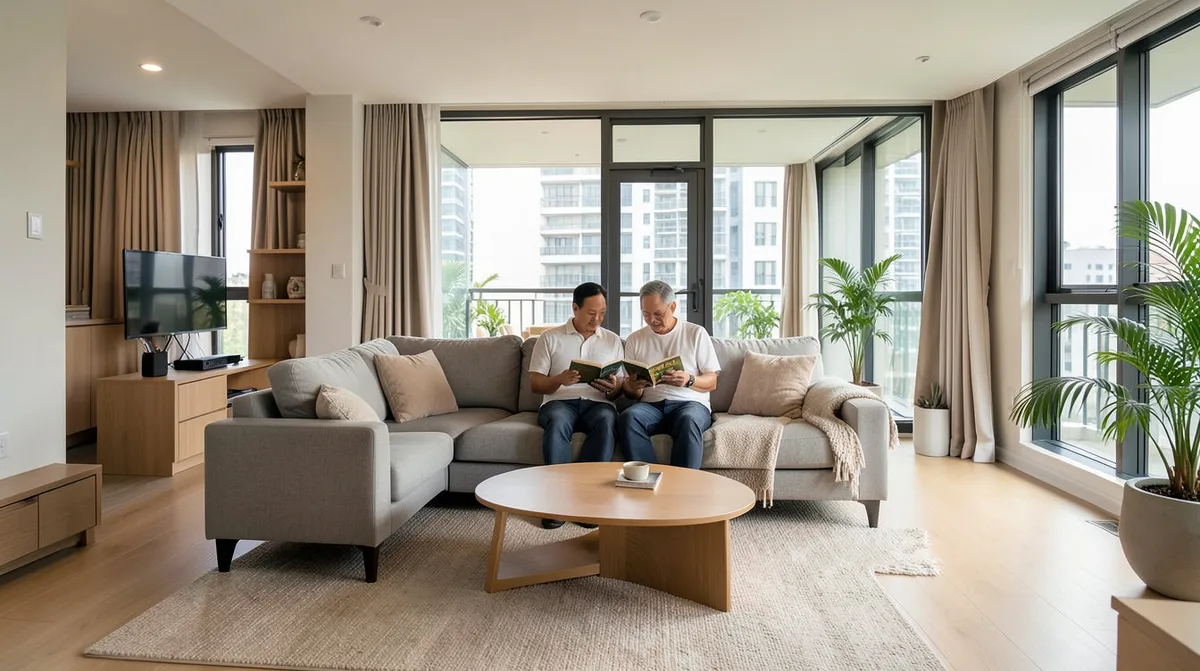
Why the Best Furniture Is the Kind You Stop Noticing
Understated, well-fitted furniture often serves a home better than statement pieces do. Here's why, and how to choose it for Singapore living.
9 April 2026 · 3 min read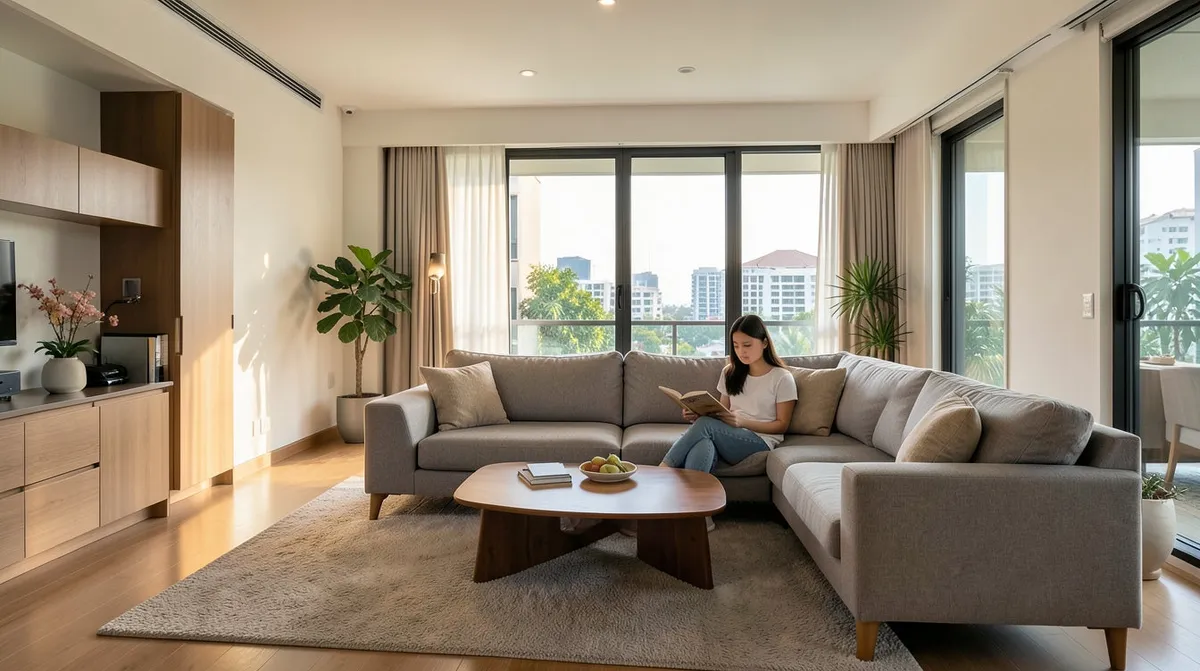
Does Paint Colour Really Make a Room Look Bigger? What the Science Says
The real reason light paint can make a room feel bigger, and why contrast, ceiling colour and sightlines matter more than the shade itself.
8 April 2026 · 4 min read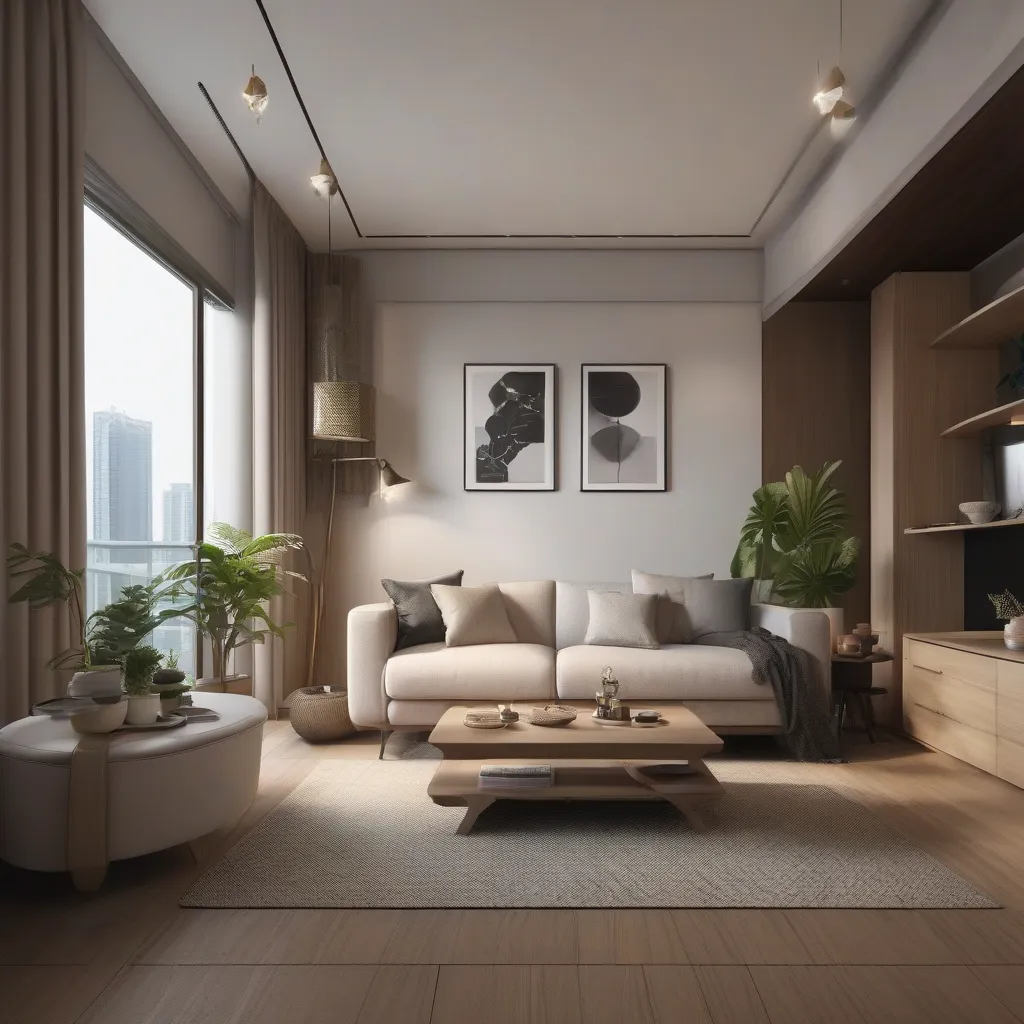
Textured Fabrics and Fluted Wood: The Design Details Trending Now
Bouclé, corduroy and fluted wood grooves keep turning up together in showrooms lately. Here's why both are trending, and how to bring a bit of each into a Singapore home without overdoing it.
7 April 2026 · 3 min read
Why Custom Furniture Is Growing in Popularity Among Singapore Homeowners
More Singapore homeowners are turning to custom furniture for awkward layouts and storage that off the shelf pieces can't solve, though ready made still wins out in plenty of cases.
7 April 2026 · 4 min read